Puerto Vallarta History from the 1500s until Today
Quick facts
- Puerto Vallarta’s traditional founding date is December 12, 1851, when Guadalupe Sánchez Torres and his family established Las Peñas de Santa María de Guadalupe.
- The settlement served mining and agricultural communities of the Sierra as a coastal landing point and supply route long before mass tourism.
- In 1918, the Jalisco State Congress created the municipality and renamed Las Peñas Puerto Vallarta through Decree No. 1889.
- The Parish of Our Lady of Guadalupe developed through decades of work by successive priests, builders, artisans and the local community.
- Air access, Mismaloya’s The Night of the Iguana production and worldwide press accelerated Puerto Vallarta’s international visibility.
- Modern Puerto Vallarta remains distinctive because resort infrastructure grew around an existing town, historic center, working bay and local identity.
Malecon full walking tour
Introduction
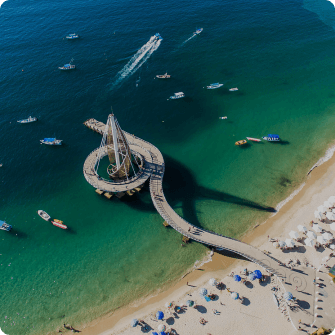
Puerto Vallarta sits where the Cuale River reaches Banderas Bay, between the Pacific and the steep green slopes of the Sierra Madre. For centuries, that geography connected the coast with inland communities; later, the same bay, relative isolation and dramatic landscape became central to Puerto Vallarta’s appeal to visitors.
The wider Banderas Bay region has a much older Indigenous history, but the documented story of the modern city begins later with the coastal settlement known as Las Peñas. The river, bay, mountains, downtown streets, Parish tower and working waterfront are not separate attractions: together they explain how the town developed.
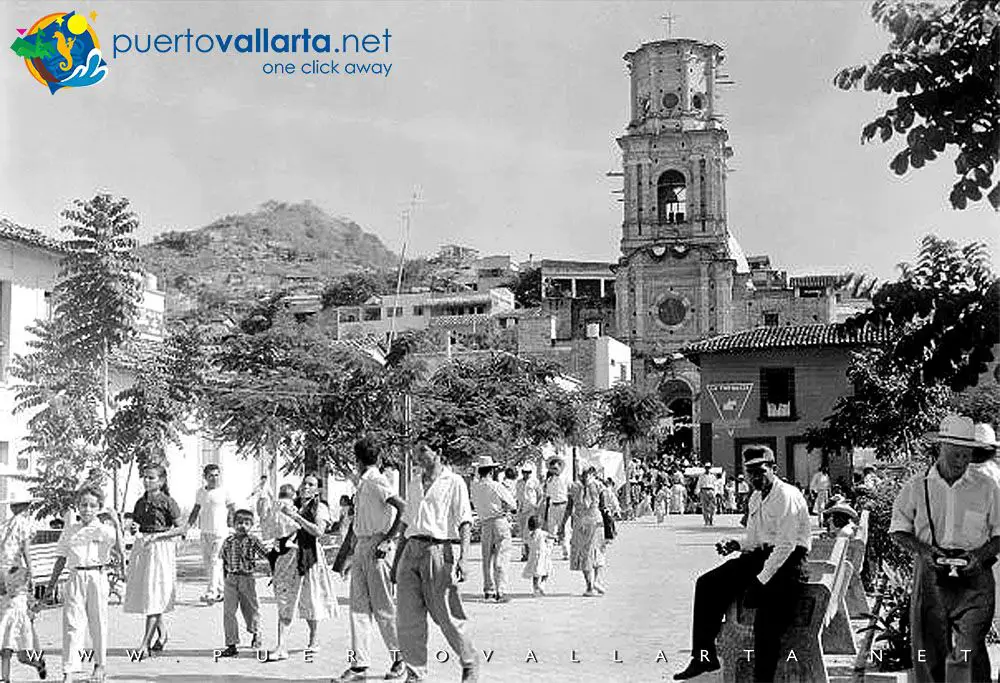
View of the Our Lady of Guadalupe Church without its Crown, 1958
Las Peñas was not created as a resort. Salt, agricultural goods, cattle and supplies moved through the settlement in connection with mining communities such as Cuale, San Sebastián del Oeste, Talpa and Mascota. A protected landing point on the bay made the coast economically useful before highways, hotels and an international airport changed the scale of travel.
Visitors can still read that geography in the old center. A historical walk beginning near the Cuale River and Parish and continuing toward the waterfront follows the same relationship between inland routes, community life and the sea. For additional context, see Banderas Bay, Cuale River Island and the Malecón.
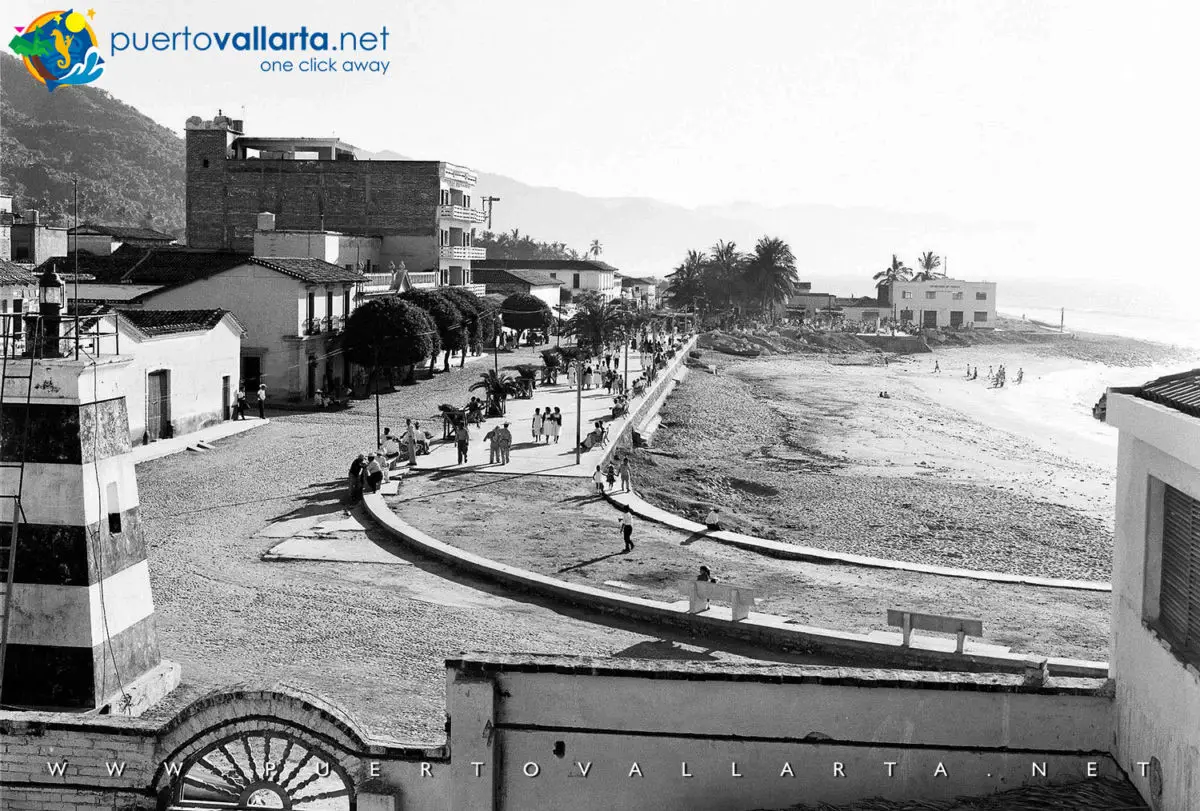
Puerto Vallarta Malecón boardwalk seen from Hotel Oceano, approx. 1957-58


XVI Century
Spanish expeditions reached Banderas Bay during the sixteenth century while navigating and supplying ships along the Pacific coast. Historical accounts mention landings for water, firewood and food, but this regional maritime history should not be confused with the founding of the later town of Las Peñas.
Early colonial-era names, voyages and landing accounts remain useful regional context. They are presented cautiously here because the modern city’s civic chronology begins much later and should not be collapsed into a single sixteenth-century ‘founding’ story.
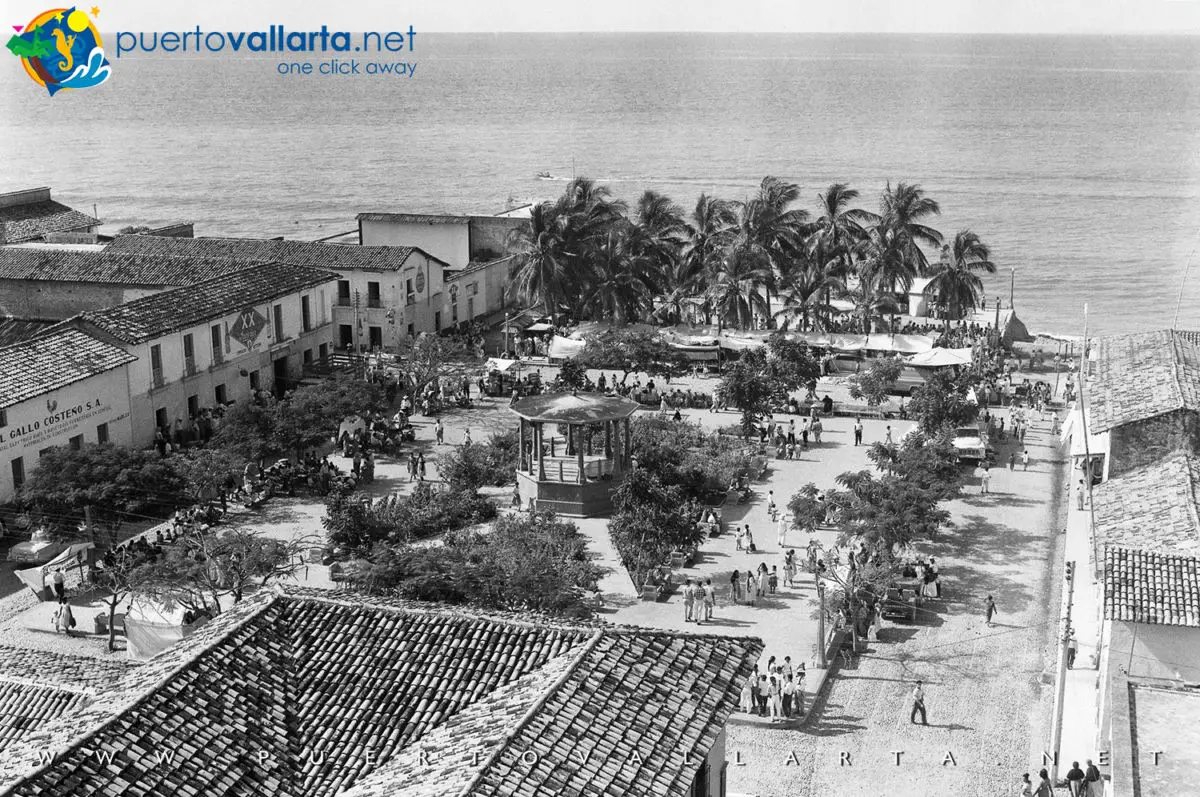
Main Plaza view from the Parish Tower approx. 1958
XVII – XIX Century
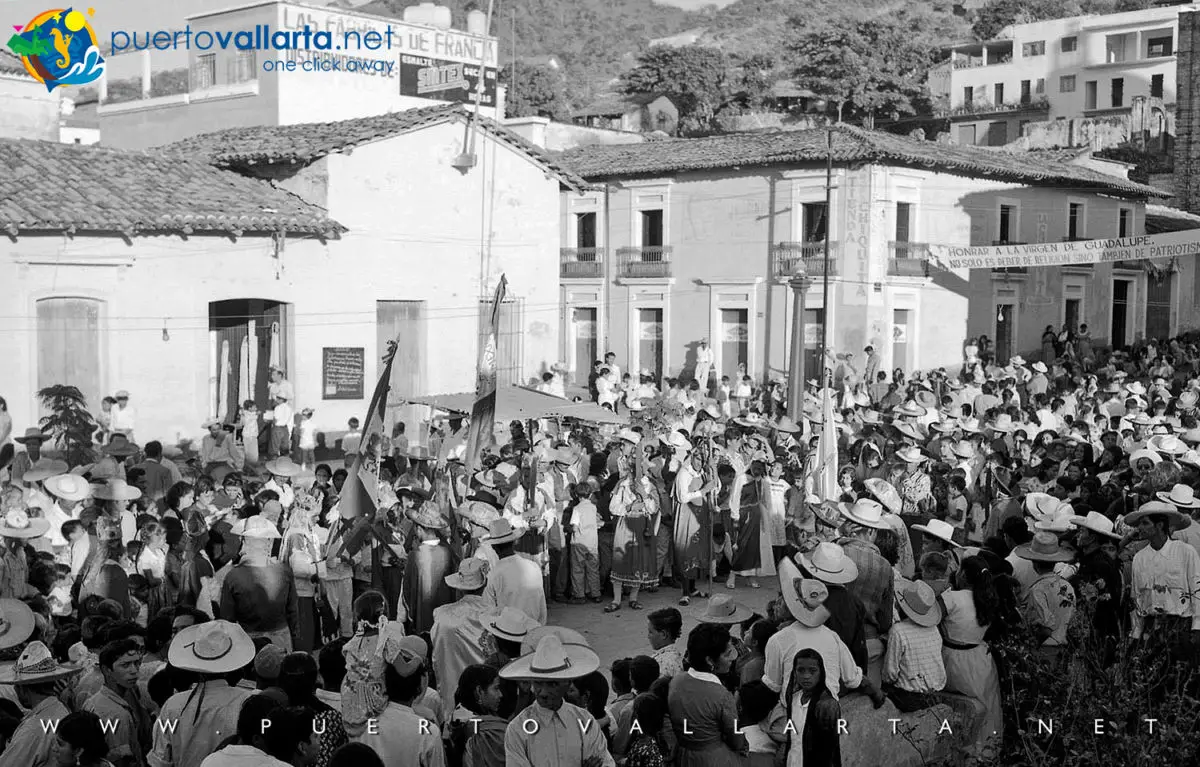
An early procession in honor of the Virgin of Guadalupe
Seventeenth- and eighteenth-century records describe shipbuilding, fishing, whaling and maritime activity around Banderas Bay. By the nineteenth century, the future Puerto Vallarta site was increasingly useful for loading and unloading supplies connected with the mines of Cuale and San Sebastián del Oeste.
The coast-to-sierra economy explains why a settlement grew here. Salt needed for silver processing moved inland, while agricultural goods and other supplies moved through the landing area. The place later known as Las Peñas developed from this practical relationship between the bay and mountain communities—not from a tourism plan.
Founding of Las Peñas
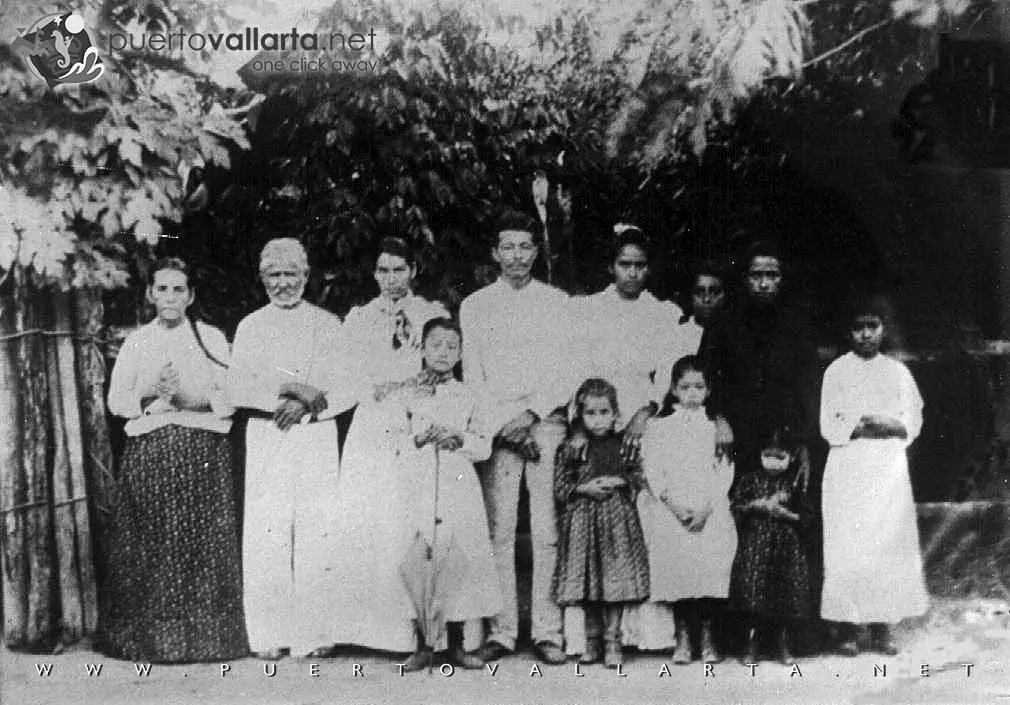
Sánchez Torres family, 1915
Puerto Vallarta’s traditional founding date is December 12, 1851. Guadalupe Sánchez Torres, originally from Cihuatlán, had been making deliveries of salt needed by the region’s silver mines. He and his workers used the coastal landing area as a place to rest and organize supplies for transport inland.
By local tradition, Sánchez Torres brought his family to the settlement on the feast day of Our Lady of Guadalupe. The community became known as Las Peñas de Santa María de Guadalupe, later shortened to Puerto Las Peñas and eventually renamed Puerto Vallarta.
The date is an important civic tradition, but the settlement grew collectively. New families contributed through agriculture, cattle raising, fishing, trade, transport and the movement of supplies between coast and Sierra.
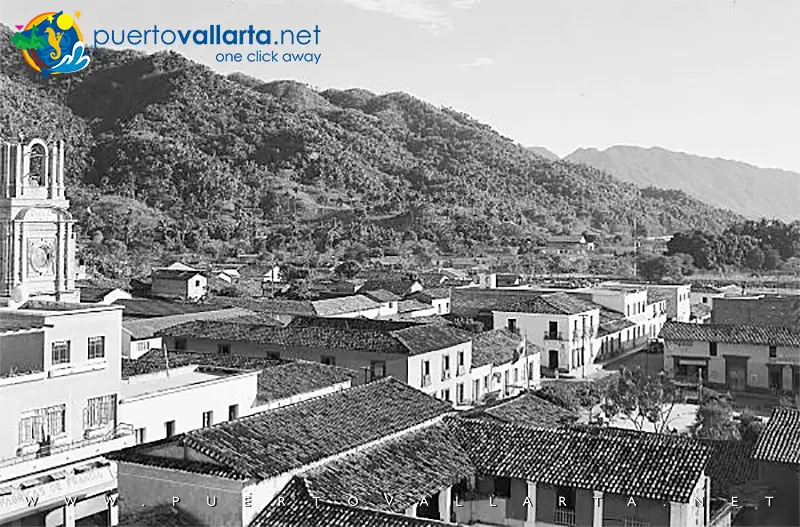
View over Juárez Avenue and the Puerto Vallarta “Cathedral” 1953 approx.
By 1880, Las Peñas had approximately 1,500 inhabitants. The port opened to national maritime traffic in 1885, and a Maritime Customs Office followed. State decrees in the late nineteenth century gave the growing settlement greater political and judicial standing.
Economic conditions changed as mining declined and agriculture became more important. These shifts strengthened Las Peñas as a permanent community and prepared the way for the municipality created in 1918.
The Parish of Our Lady of Guadalupe: built over generations
The Parish is not simply a postcard landmark. Its construction reflects how Puerto Vallarta itself grew: gradually, collectively and through the work of many generations. Félix Fernando Baños’s official Parish history distinguishes an earlier chapel—probably the chapel established by Father Sabino Viruete on April 15, 1883—from the foundations begun for a new church in 1903.
When Father Francisco Ayala arrived in 1915, the community pursued a larger structure with deeper foundations. By 1921, the earlier chapel was still functioning within the walls and scaffolding of the expanding church. The choir and Hammond organ were inaugurated in 1951, and the principal tower was completed in 1952.
The original crown was designed by José Esteban Ramírez Guareño, cast in concrete by Emilio Campos, assembled under master mason Lino Mercado, and finished with ironwork by Esteban Ávalos. It was inaugurated on December 12, 1965, restored in 1981, and destroyed after falling from the tower during the October 9, 1995 earthquake.
The crown visitors see today is the third crown on the tower. A quickly installed fiberglass replacement followed the 1995 earthquake, but exposure and structural limitations caused it to flatten and deform. It was removed in 2009. Sculptor Carlos Terrés created the present crown in terroca—a cemented stone material enriched with silicates and zeolite—based on the earlier crown concept. The 10-by-15.5-meter sculpture was installed on October 12, 2009. Its eight supporting angels represent the eight points of the Marian star. It is this 2009 work, rather than the 1965 original or the temporary fiberglass crown, that visitors now see above the Parish. Read our full article on the Crown of the Parish of Our Lady of Guadalupe.
Las Peñas becomes Puerto Vallarta
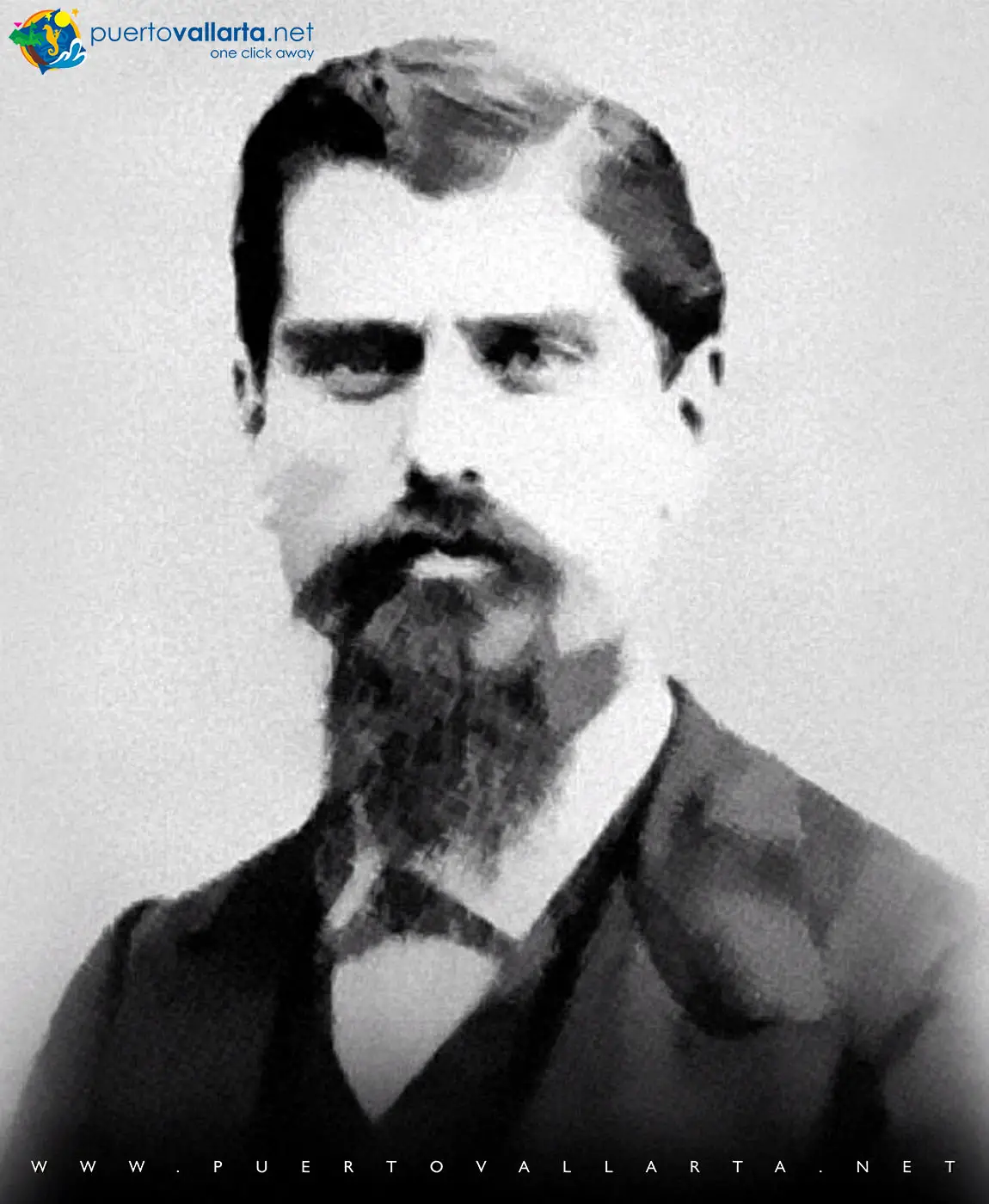
Ignacio Luis Vallarta
On May 31, 1918, the Jalisco State Congress acted through Decree No. 1889: Las Peñas received municipality status and the name Puerto Vallarta, honoring former Jalisco governor, jurist and public figure Ignacio L. Vallarta.
This is more precise than saying only that ‘the Mexican government recognized Vallarta.’ The formal action came from the state congress and gave the town a civic identity corresponding to its expanding coastal role.
During the following decades, agriculture, banana production, fishing and regional trade supported the economy. National and foreign visitors also began returning to the port, gradually expanding a visitor culture that existed before the later international tourism boom.
Puerto Vallarta Centennial Celebrations
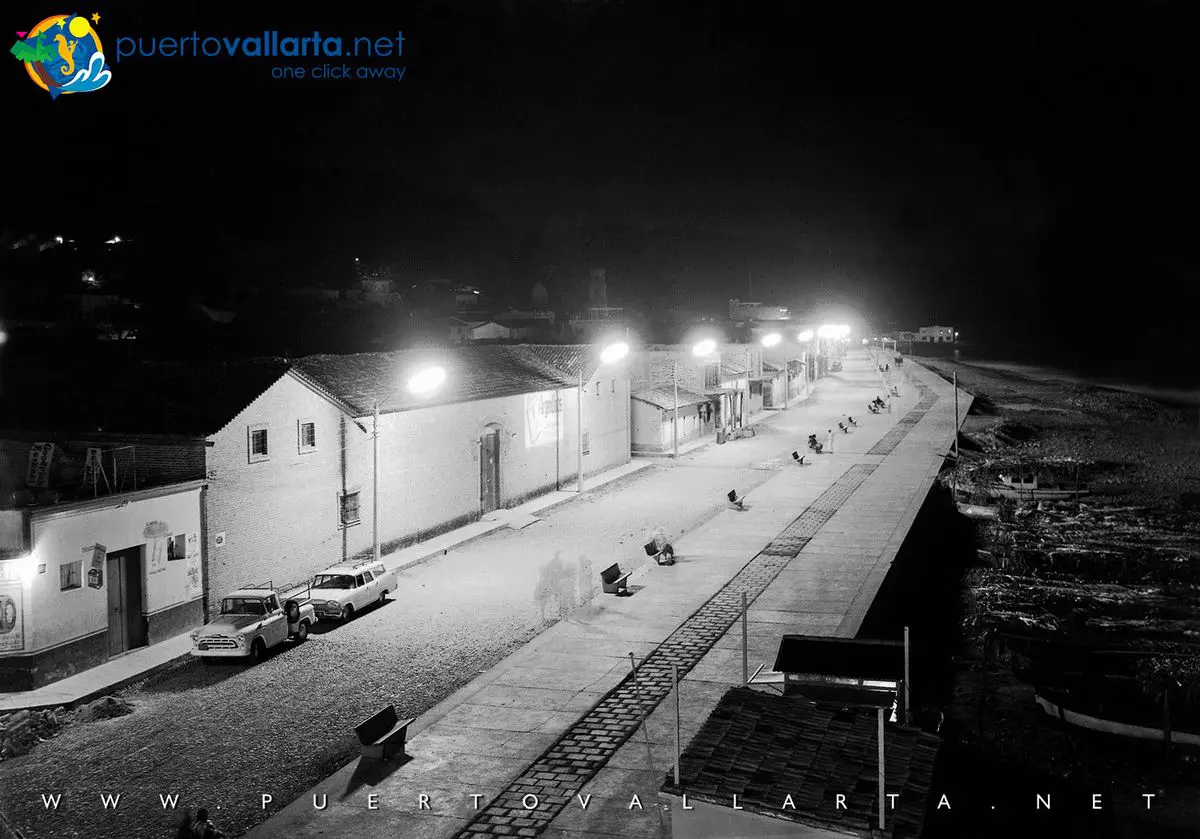
Night-time view of the Malecón boardwalk 1950s
Puerto Vallarta’s 1951 centennial celebrations brought national attention to the town. Film coverage shown around Mexico helped circulate images of its waterfront, mountains and urban character at a moment when the destination was becoming easier to reach.
During this period, local builders and designers refined what became known as Vallarta Style: white walls, red-tile roofs, handcrafted details, irregular streets and buildings adapted to the slopes and climate. The town’s visual identity evolved from local practice rather than being created all at once for tourism.
Architect and designer Fernando ‘Freddy’ Romero Escalante was influential in adapting older mountain-building traditions to Puerto Vallarta’s warmer, more humid environment. That evolution remains visible in the historic center and Gringo Gulch.
The Night of the Iguana
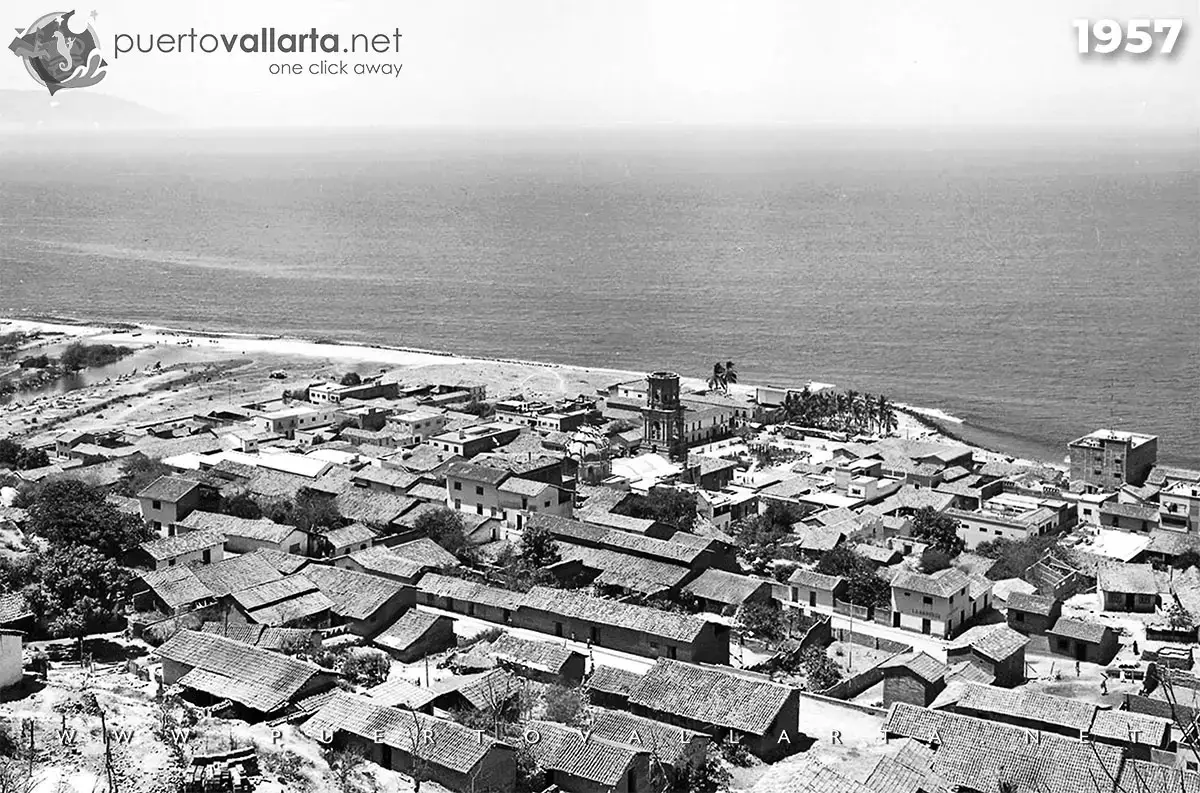
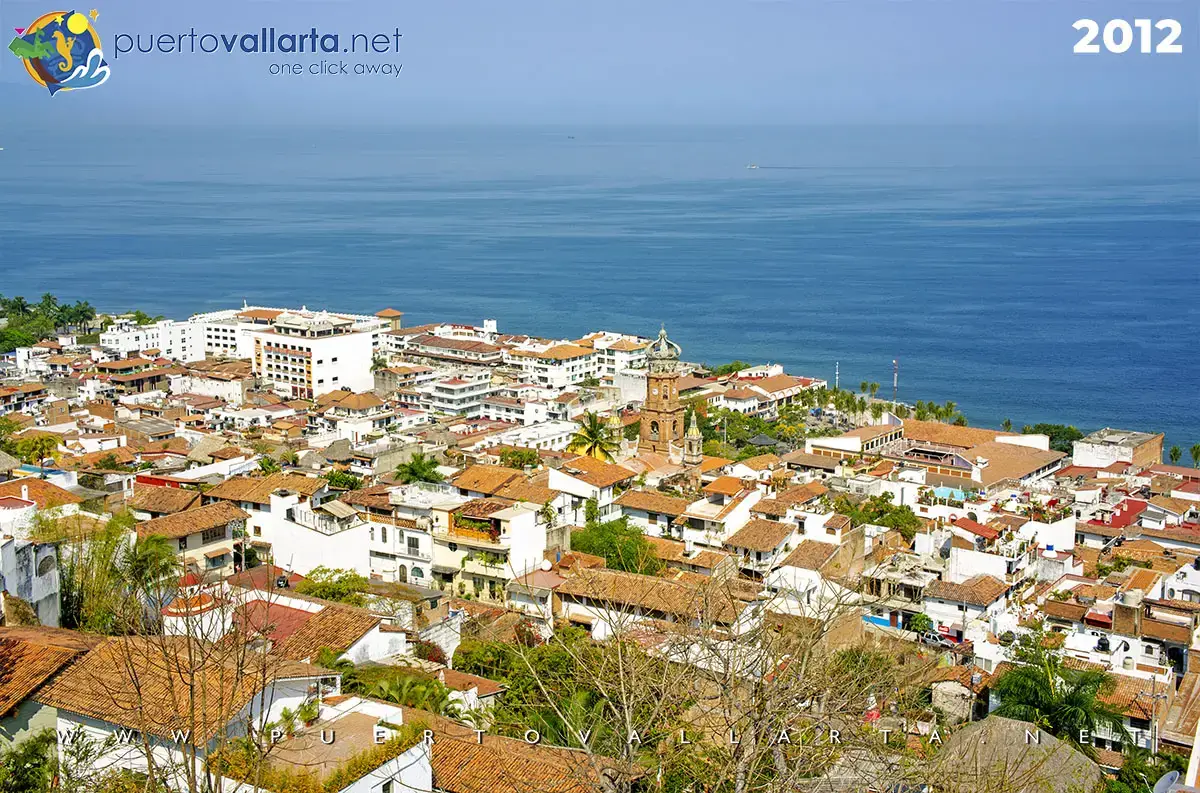
City view from the “El Cerro” 1958 approx. vs recent photo
Air connections changed Puerto Vallarta’s future. In 1954, Mexicana de Aviación inaugurated a Guadalajara–Puerto Vallarta route, making the town more accessible. International promotion and subsequent routes helped put Puerto Vallarta before travelers who previously knew Acapulco but not this part of the Jalisco coast.
The transformation was gradual. Puerto Vallarta already possessed a working economy, local architecture and an emerging visitor culture; improved access amplified those existing strengths rather than creating the town from nothing.
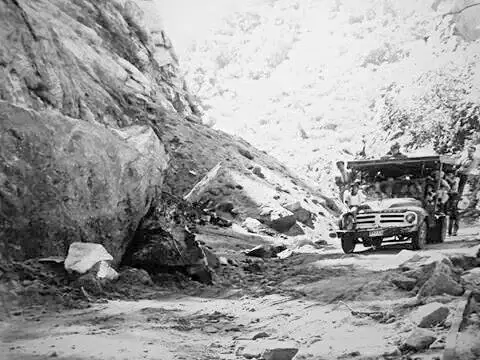
The road to Puerto Vallarta in the 1950s
Guillermo Wulff was closely connected to the architectural and tourism transition. His work linked Puerto Vallarta, the south shore and Mismaloya with people in the Hollywood world considering locations for The Night of the Iguana.
The strongest working account identifies screenwriter Sidney ‘Sy’ Bartlett as an important connector among John Huston, Wulff and the Mismaloya opportunity. Other accounts—including a Los Angeles social gathering—also circulate, so the relationship should be described without pretending that one simplified introduction story is conclusively settled.
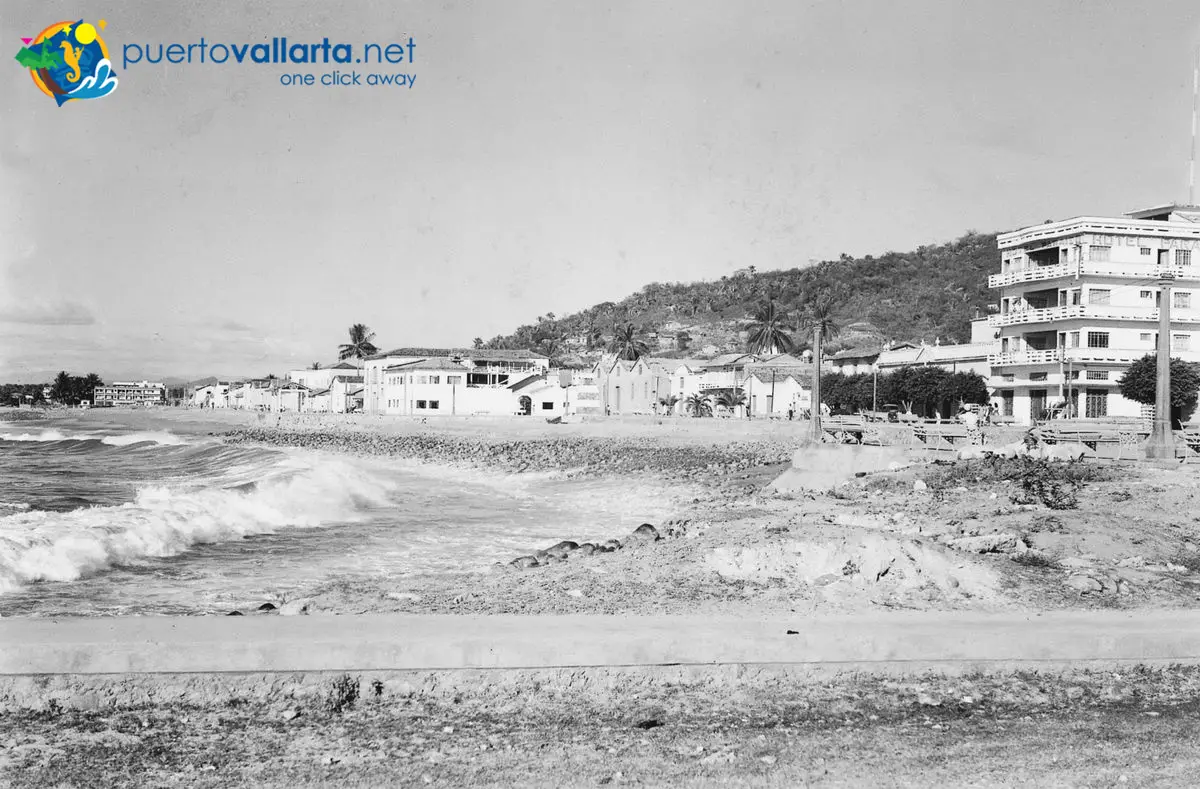
The Malecón and Hotel Paraíso
John Huston filmed The Night of the Iguana at Mismaloya in 1963; the film was released in 1964. The production brought Richard Burton, Ava Gardner, Deborah Kerr and other international figures to the area, while the Burton–Elizabeth Taylor relationship attracted intense global press attention.
Mismaloya’s beach and jungle setting became inseparable from the film story. Visitors can still connect that history to the real landscape at Mismaloya, south of downtown.
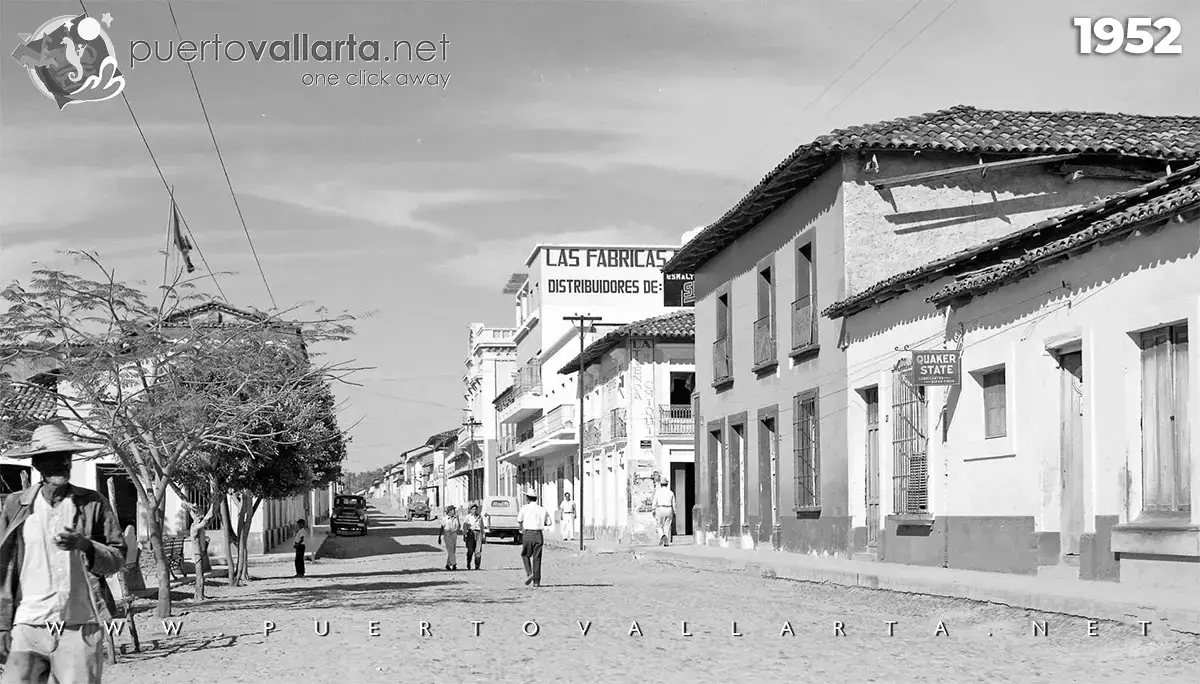
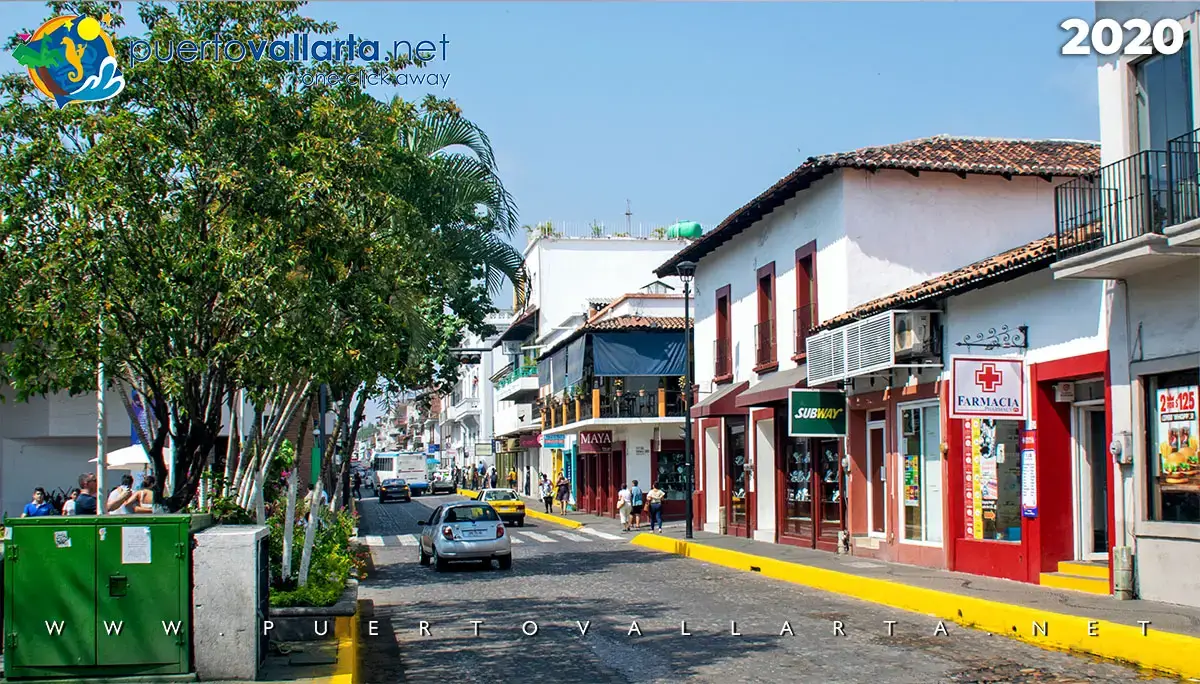
Juárez Avenue Before & After
The film did not single-handedly ‘discover’ or create Puerto Vallarta. What it did was accelerate international awareness dramatically. Images of the bay, the town and the celebrities gathered there reached audiences around the world.
Richard Burton and Elizabeth Taylor later acquired homes in Gringo Gulch, reinforcing Puerto Vallarta’s association with Hollywood. The lasting history is therefore larger than gossip: international publicity intersected with existing local character, architecture and improved transportation to reshape the town’s visitor economy.

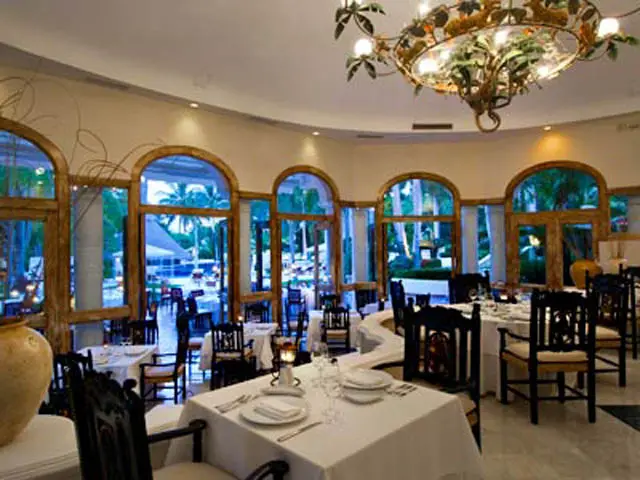


Improvements in Infrastructure
The late 1960s and 1970s brought larger public works and a new scale of tourism. Federal and state investment, airport development, roads, hotels, communications and planning institutions changed Puerto Vallarta’s relationship with the rest of Mexico and with international markets.
Puerto Vallarta received city status in 1968. The airport and highway connections that followed made year-round access easier, while port and hotel development expanded employment and the visitor economy.
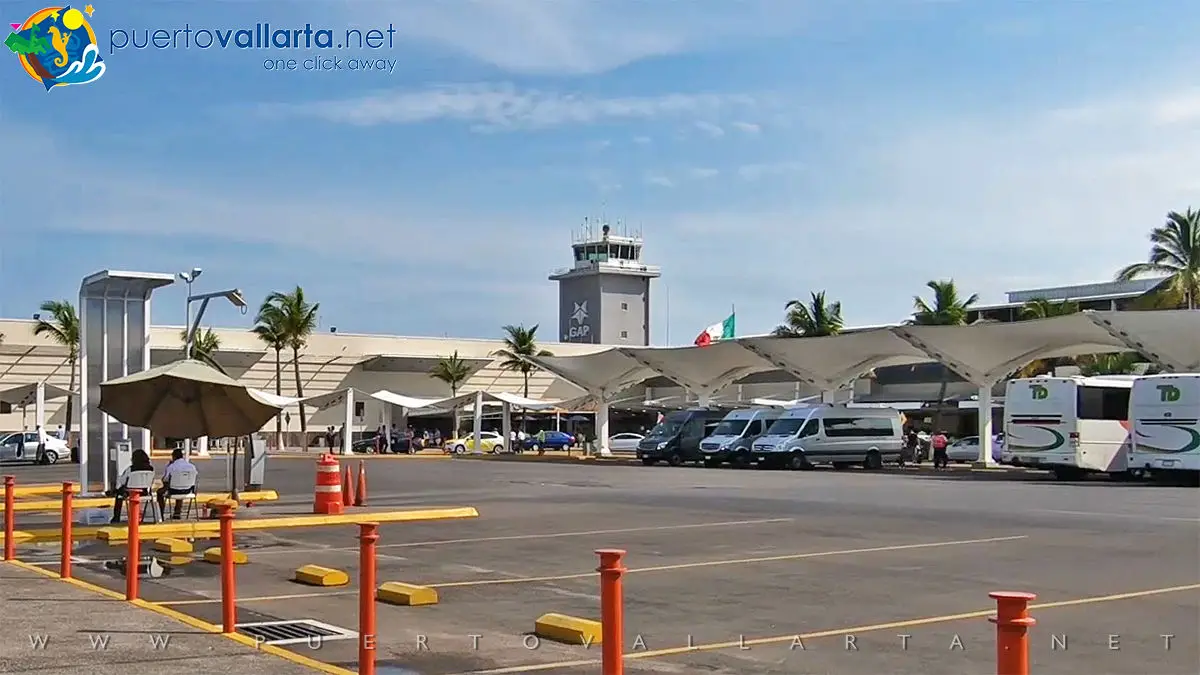
Puerto Vallarta International Airport
Growth brought opportunities and pressures at the same time. New neighborhoods, hotels and services appeared, but so did greater demands on water, roads, housing, natural areas and the character of older communities.
The city’s history is most useful when it explains both outcomes: infrastructure enabled Puerto Vallarta’s success, while rapid expansion created responsibilities that continue today.
Puerto Vallarta grows
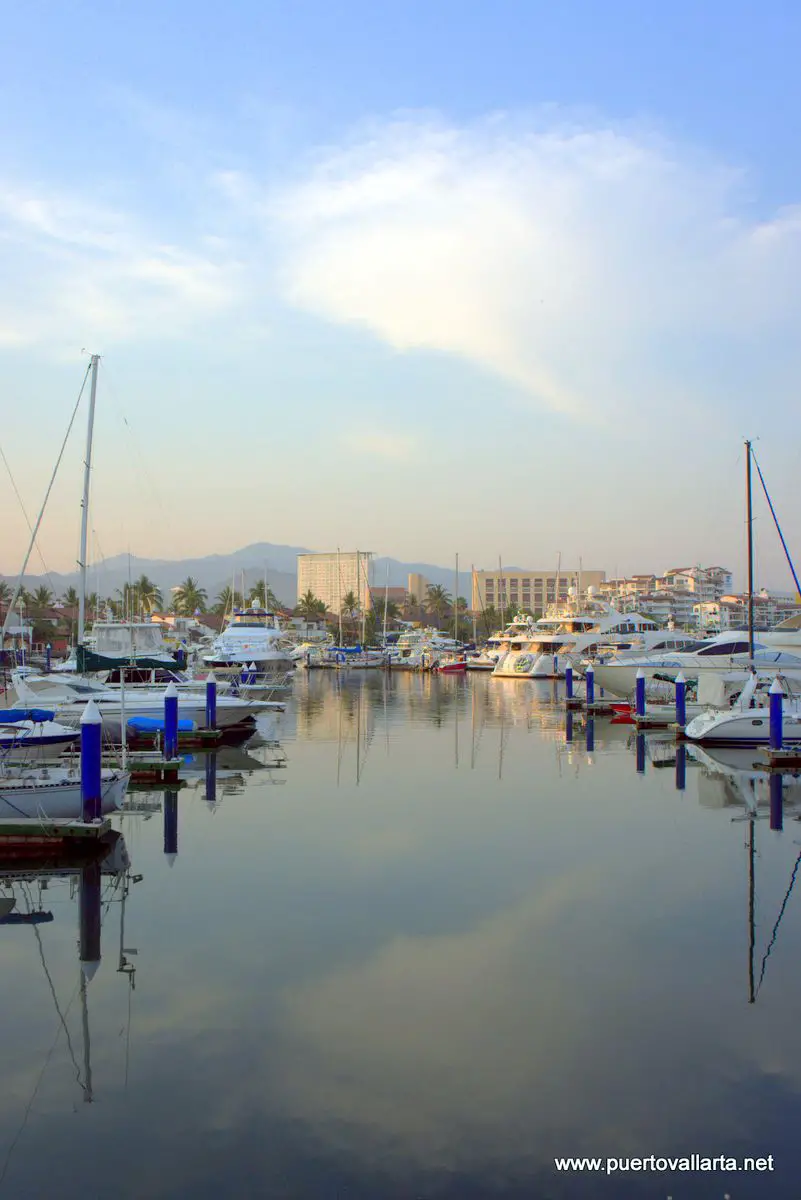
Marina Vallarta
Marina Vallarta became one of the most visible later chapters in the city’s development. Planned with residential areas, hotels, shops, a golf course and marina facilities, it extended the urban and tourism footprint north of the older center.
Tourism patterns changed through the 1980s and 1990s as national and international markets fluctuated. Local promotion, hotel investment and an increasingly diverse visitor economy helped Puerto Vallarta remain competitive.
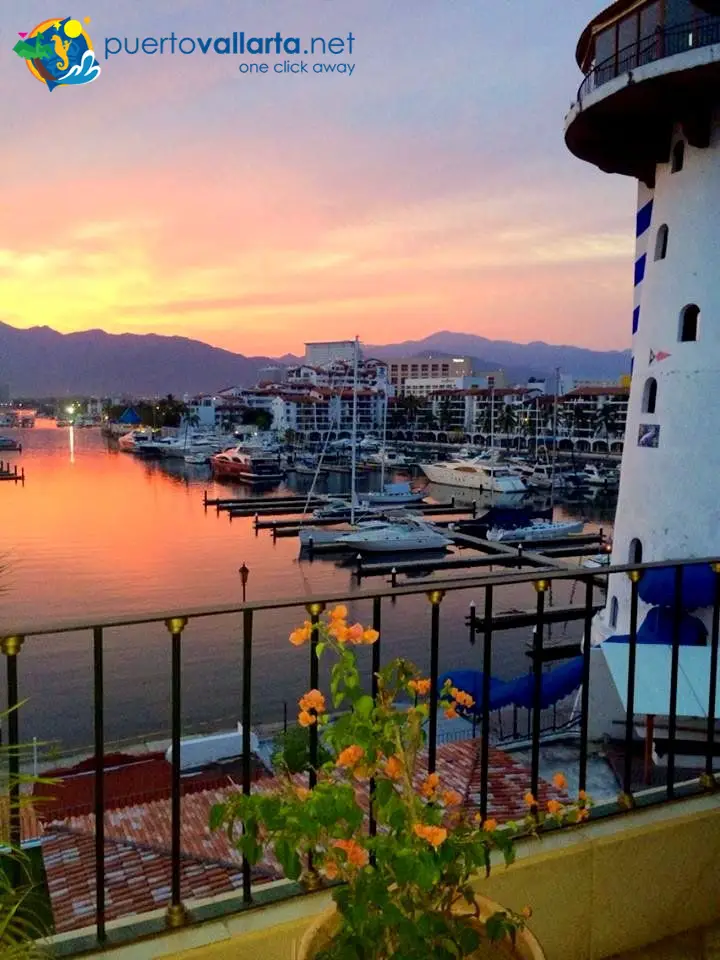
Marina Vallarta, view of the lighthouse
Unlike Cancun, Ixtapa or Huatulco, Puerto Vallarta was not initially created as a government-planned resort. Its tourism economy grew around an existing town with its own working waterfront, neighborhoods, civic traditions and architectural identity.
That distinction remains one of Puerto Vallarta’s strengths. The destination offers resort infrastructure, but its older center, Parish, river, public spaces and nearby communities preserve a sense of place beyond the hotel zone.
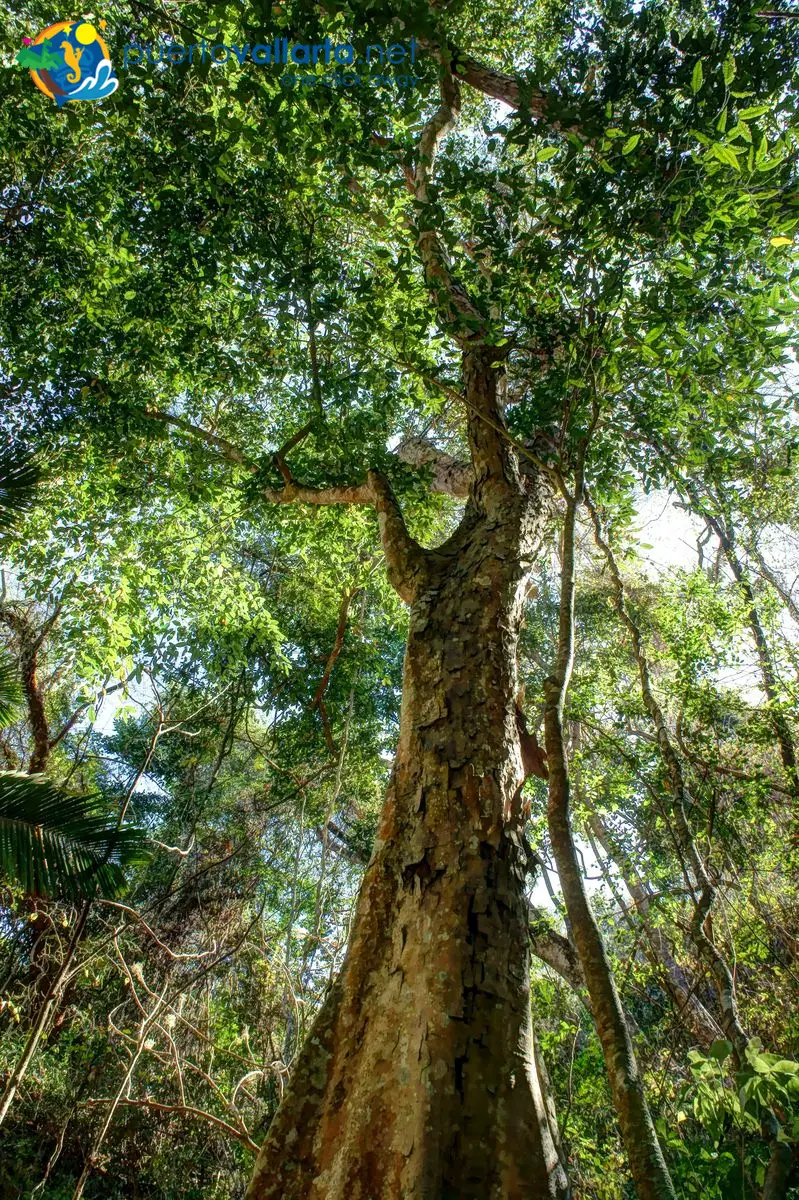
Vallarta’s lush jungle
Banderas Bay’s deep water, biodiversity, mountains, beaches and jungle continue to shape the city’s identity. Environmental protection, water treatment, responsible development and resilient infrastructure are therefore part of the historical story—not separate from it.
Puerto Vallarta’s appeal depends on maintaining the relationship between built heritage and natural setting that first made the town distinctive.
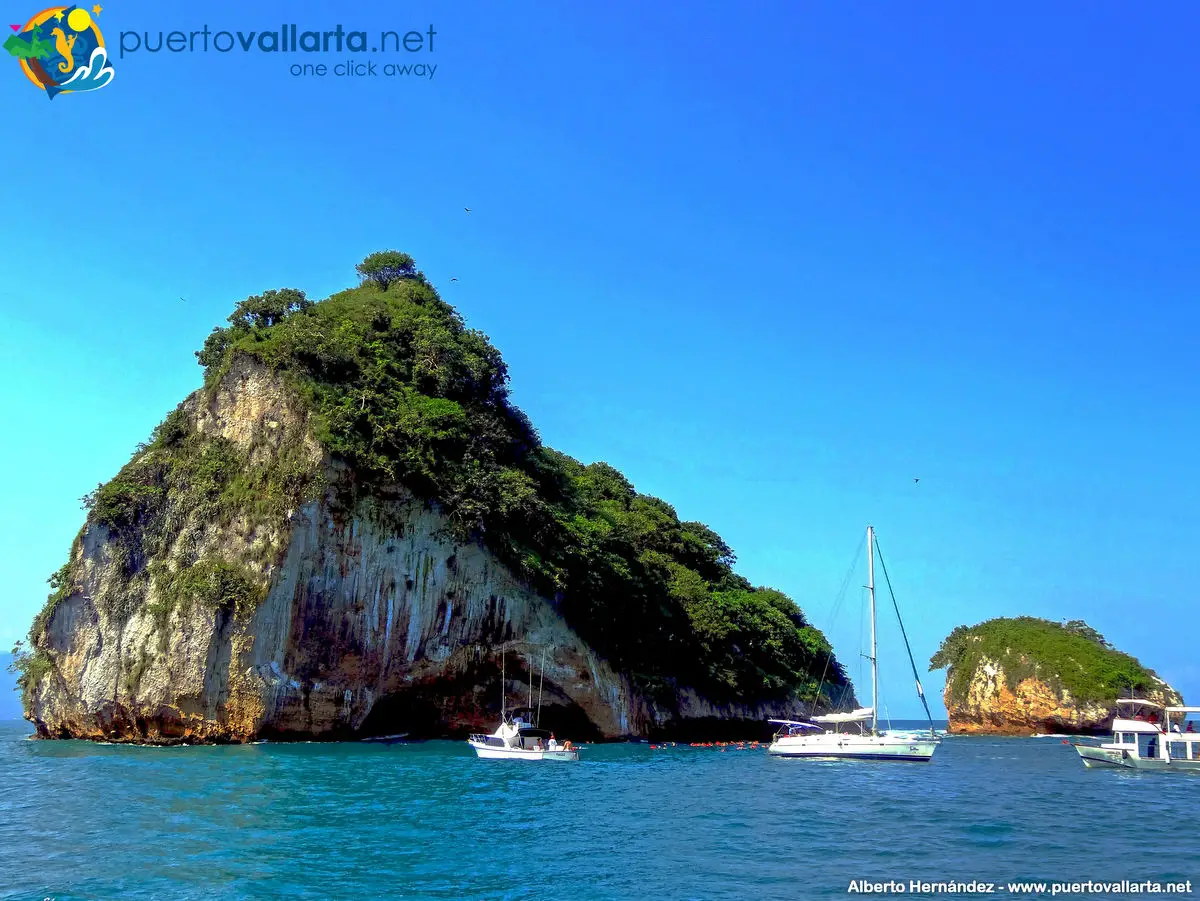
Los Arcos National Marine Park, Puerto Vallarta
Modern air service, highways, hotels and visitor services connect Puerto Vallarta with Mexico and the world. Yet the most meaningful way to understand that growth is to compare it with the earlier landing place and Sierra supply route from which Las Peñas developed.
Nearby towns, beaches and south-shore communities remain part of the broader regional story, giving visitors opportunities to see how the bay connects very different landscapes and ways of life.
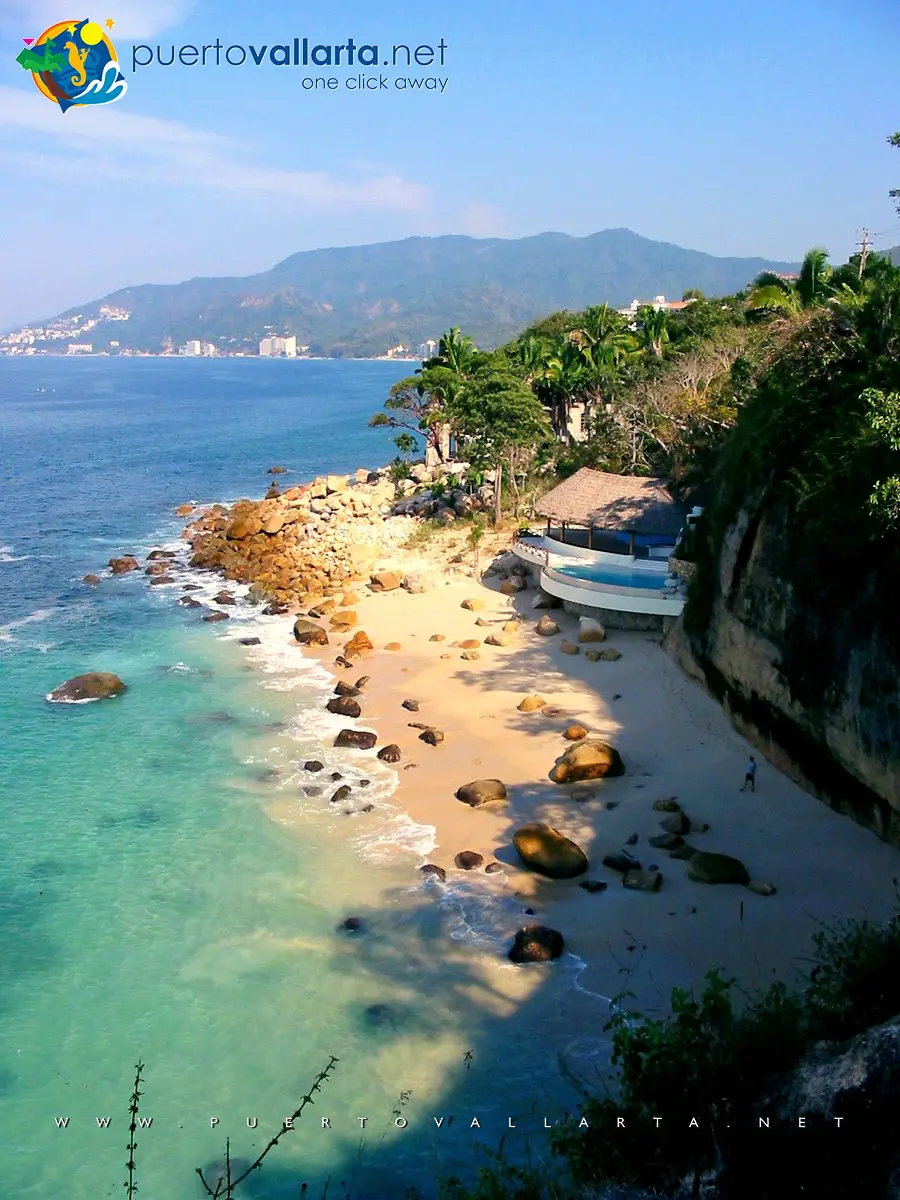
South Zone Home, Puerto Vallarta
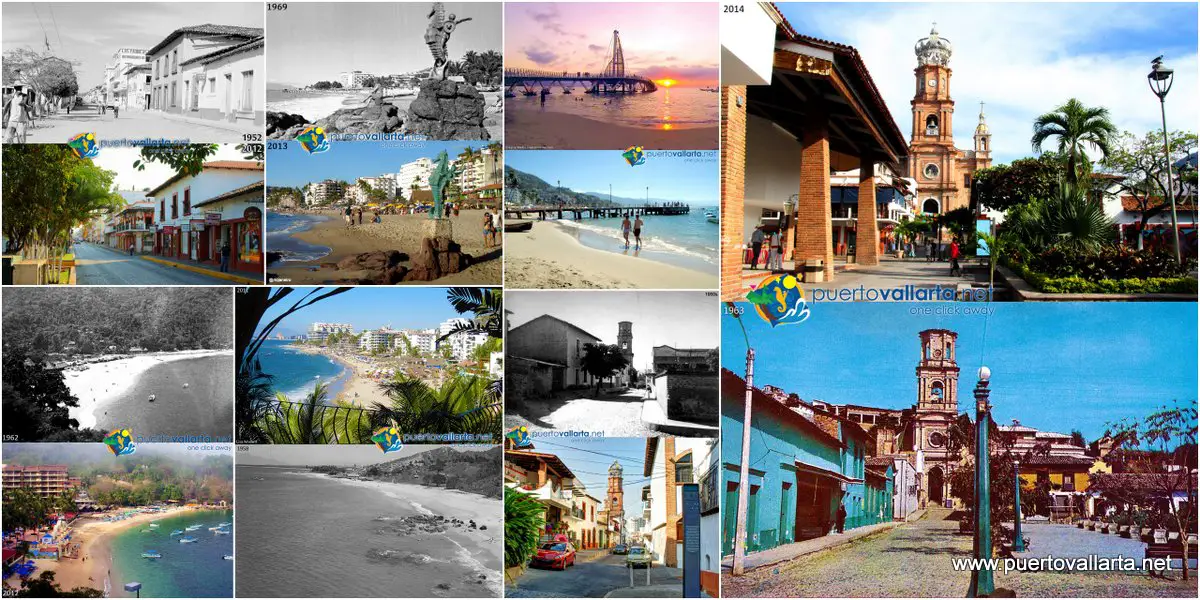
Downtown Puerto Vallarta remains the clearest place to experience the city’s layered history. The Malecón, Parish, Cuale River, markets, older streets and hillside neighborhoods place modern visitor life directly beside the town’s civic and architectural past.
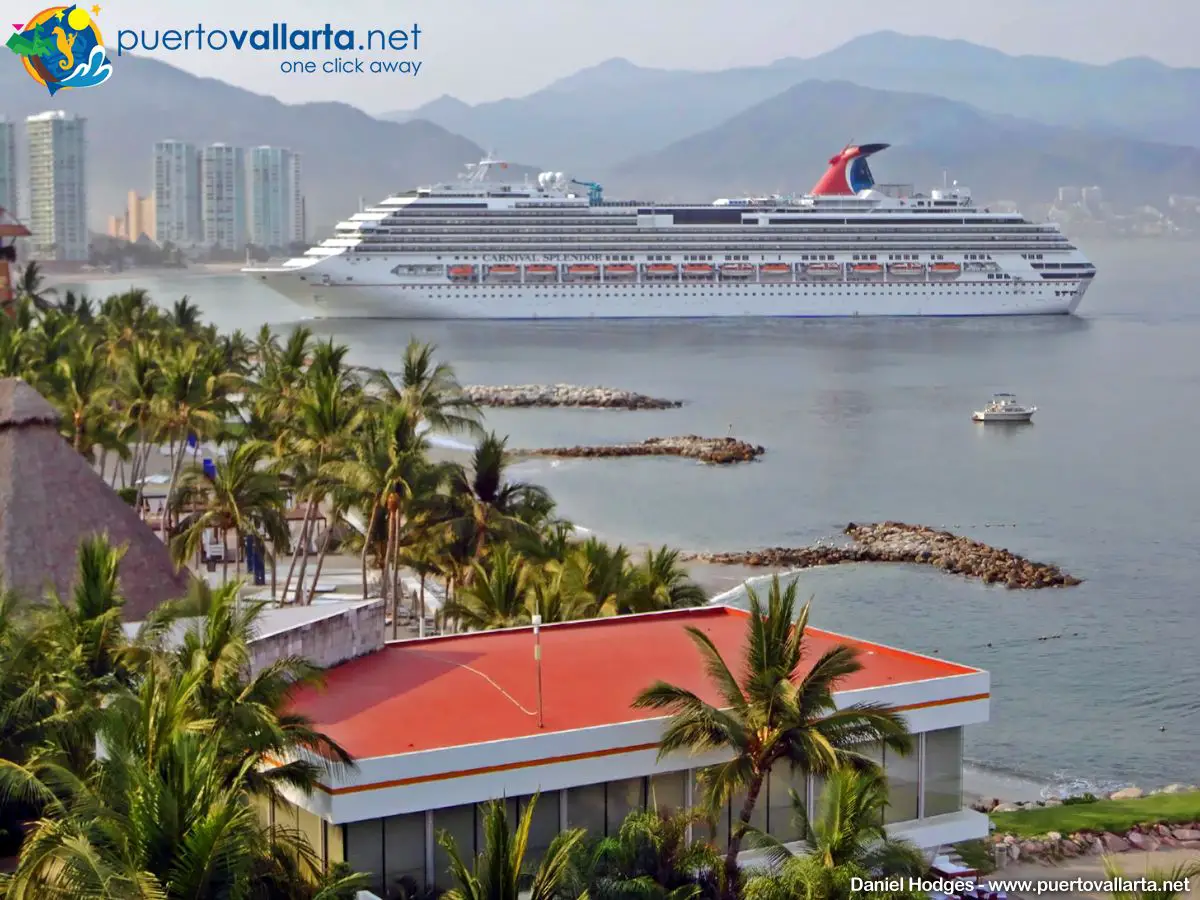
Puerto Vallarta became a resort town by accident
Marina Vallarta, the Hotel Zone, downtown, the Romantic Zone and the South Shore represent different periods and patterns of development. Together they show how a compact coastal settlement expanded into a diverse metropolitan destination.
The enduring challenge is to accommodate that growth while protecting the urban character, natural setting and community history that distinguish Puerto Vallarta from a purpose-built resort.
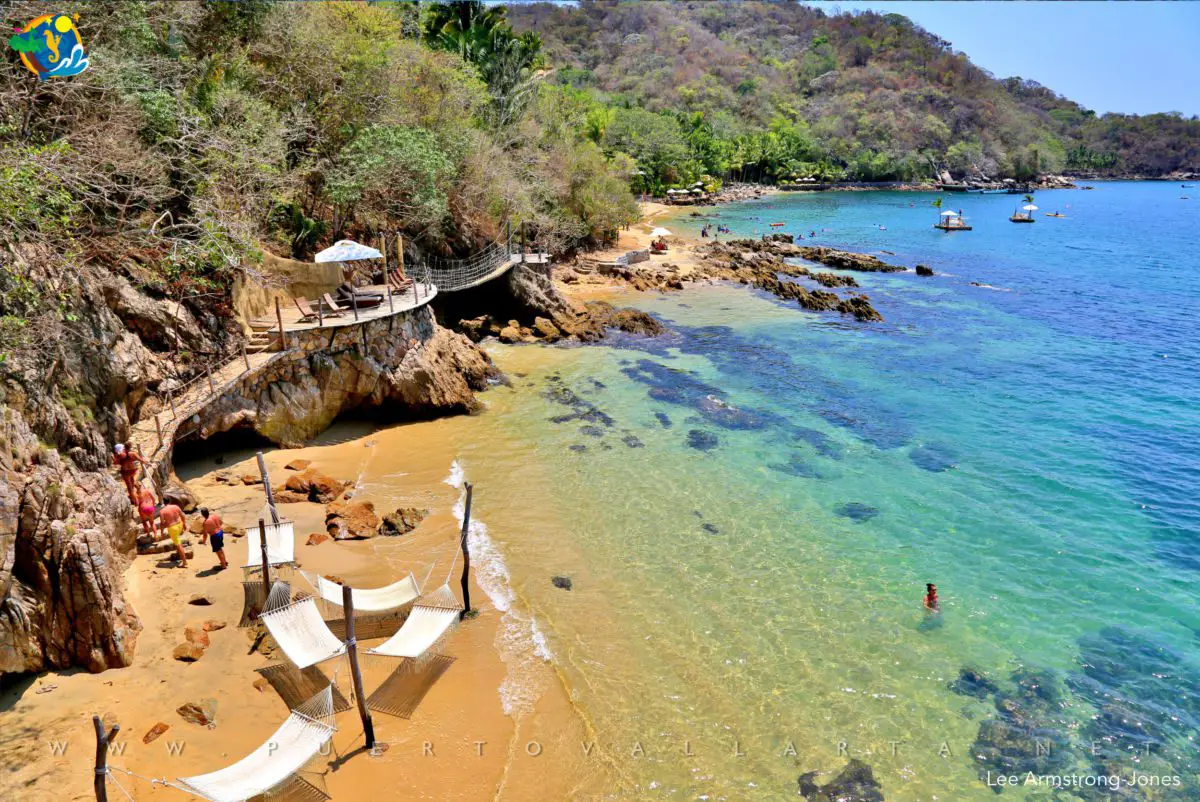
Las Caletas, come and rest and relax in Pto. Vallarta
Today, Puerto Vallarta is internationally recognized, but its history remains local and visible: in the bay and river, in the Parish and historic streets, in the Malecón, and in the communities stretching north and south along the coast.
The city’s evolution is best understood not as a sudden transformation from ‘unknown village’ to resort, but as a sequence of community building, regional trade, improved access, international publicity and sustained local adaptation.
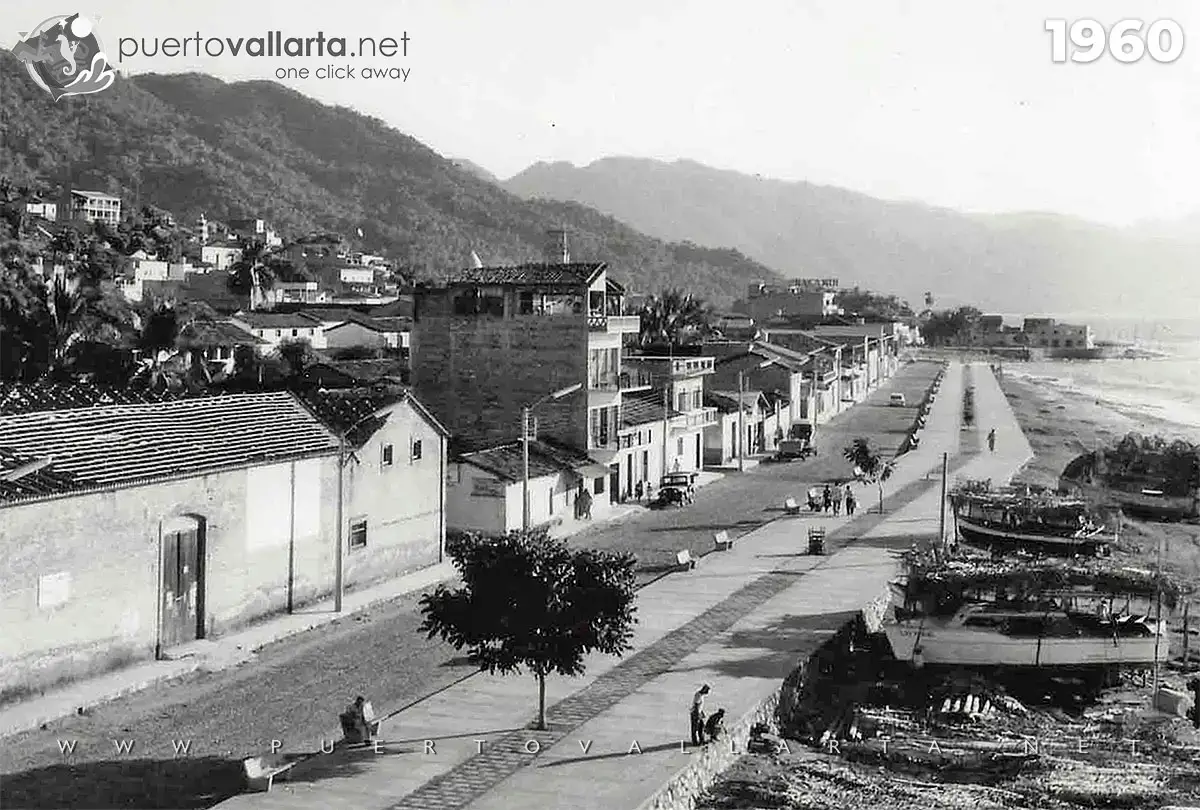
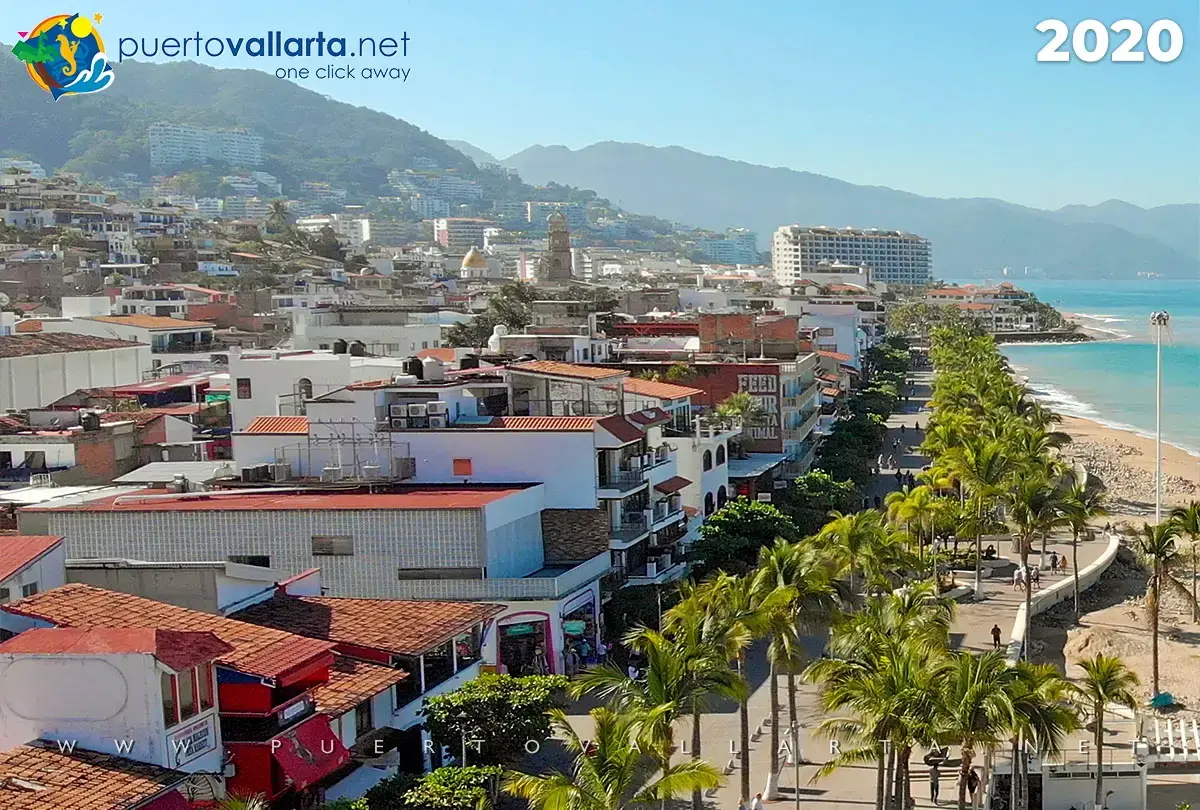
Puerto Vallarta History – Timeline of Important Dates
| Date | What happened |
|---|---|
| December 12, 1851 | Traditional founding of Las Peñas de Santa María de Guadalupe by Guadalupe Sánchez Torres and his family. |
| 1885 | Las Peñas opened to national maritime traffic. |
| 1918 | Jalisco State Congress created the municipality and renamed it Puerto Vallarta through Decree No. 1889. |
| 1921 | The Vicaría de Las Peñas became a parish. |
| 1951 | Puerto Vallarta celebrated its centennial; the Parish choir and Hammond organ were inaugurated. |
| 1952 | The Parish’s principal tower was completed. |
| 1963–1964 | The Night of the Iguana was filmed at Mismaloya and released internationally. |
| December 12, 1965 | The original Parish crown was inaugurated. |
| 1968 | Puerto Vallarta received city status. |
| 1970 | The international-airport era supported a new phase of tourism growth. |
| 1987 | The Parish façade and related exterior work reached a major completion stage. |
Sources / Fuentes
This refresh uses Puerto Vallarta’s preserved historical-source collection, including Félix Fernando Baños’s official Parish and Crown histories, the PV 100 Years centennial corpus, local chronologies, and academic research on John Huston, The Night of the Iguana and Puerto Vallarta’s tourism development.
- Félix Fernando Baños — original Parish reference PDF
- Official Spanish Parish reference
- English Parish reference
FAQ
Frequently asked questions
The town was founded on December 12, 1851, as Las Peñas de Santa María de Guadalupe, a small settlement started by Guadalupe Sánchez Torres. Back then it was also known as Las Peñas, Peñitas or El Carrizal. It was renamed Puerto Vallarta in 1918 in honor of Ignacio L. Vallarta, a Jalisco governor and jurist, and was raised to city status in 1968.

Book tours & support us
- Best prices
- 100% Local Support
- 2 decades+ of experience in Puerto Vallarta
Puerto Vallarta news, tips & content
- New info every two weeks
- Free content, news, videos
- Unsubscribe at any time
Contact us via WhatsApp
- Talk with our reservations expert
- Real local and human support
- Book tours, hotels, transfers, and more.
Last updated on:
Share this article, choose your favorite option!