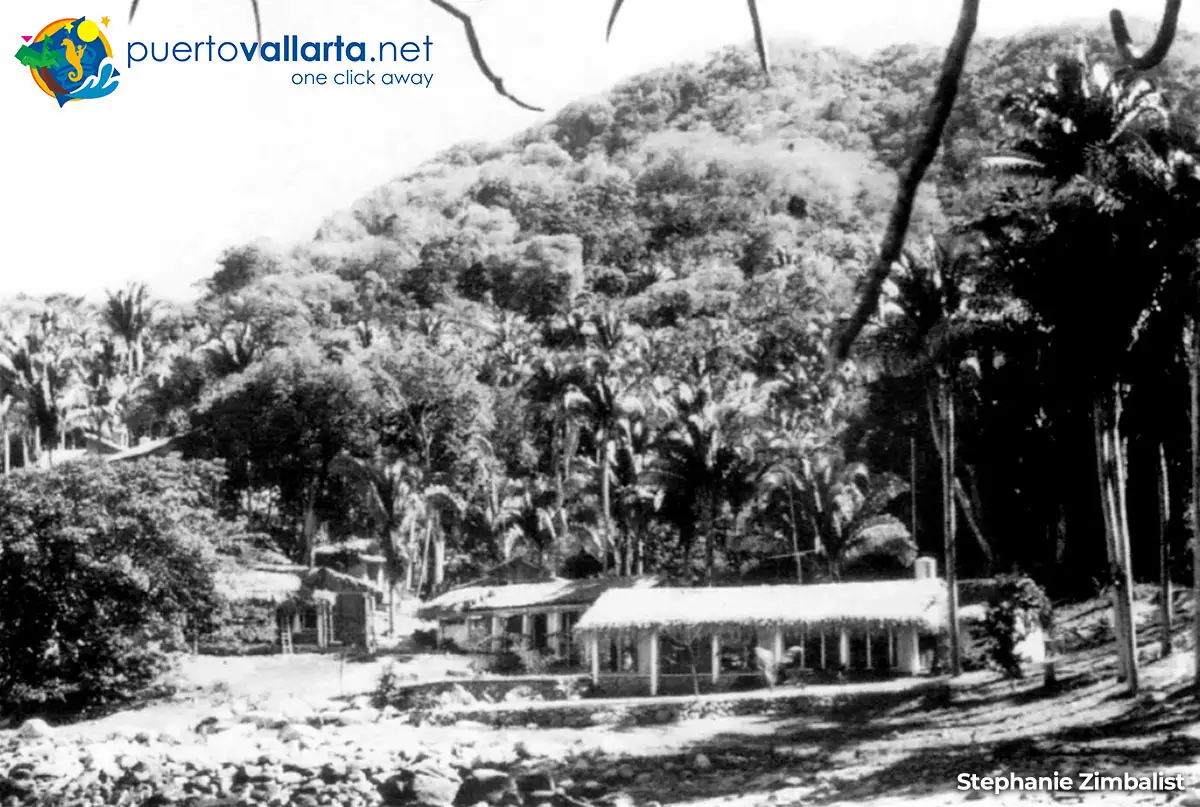
Las Caletas, last home of John Huston in Mexico – Huston Beach House 1977
Summary
- Las Caletas is a secluded beach located south of Puerto Vallarta, accessible only by sea.
- The beach was once the private home of film director John Huston, who considered it one of the most beautiful places in the world.
- Huston lived in Las Caletas, enjoying the primitive conditions, calm, and isolation.
- Guillermo Wulff suggested Mismaloya for Huston’s movie, leading to his connection with Las Caletas.
- Elizabeth Taylor and Richard Burton’s affair during the filming of Huston movie The Night of the Iguana brought worldwide media attention to Puerto Vallarta.


Introduction
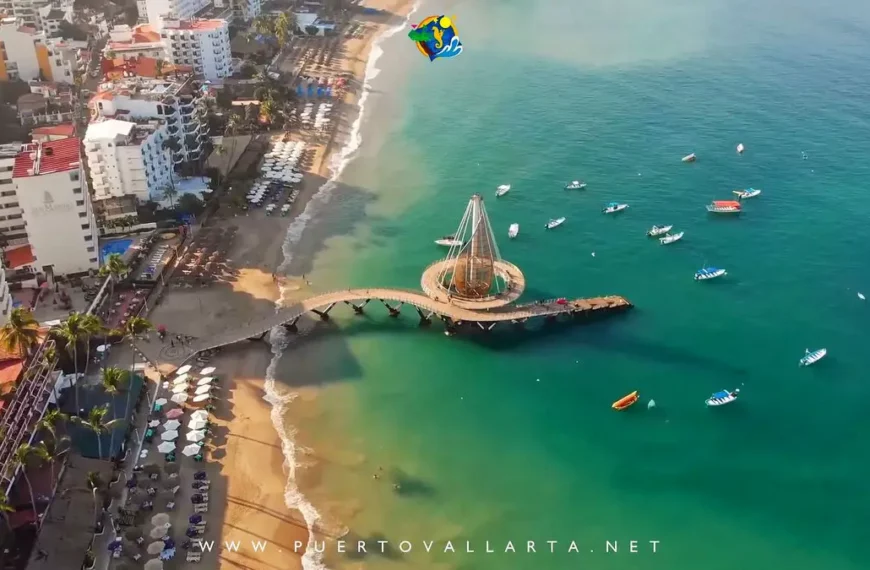
Las Caletas is a beach located south of Puerto Vallarta. Only accessible by boat and nowadays only with the tour operator, Vallarta Adventures, on their “Las Caletas Tour” or their “Rhythms of the Night” tours.
The southern beaches beyond Boca de Tomatlán (where the highway going south from Puerto Vallarta to Barra de Navidad leaves the edge of the bay) include, in order: Las Animas, Quimixto, Las Caletas, Majahuitas, and Yelapa. All of them are public except Las Caletas which is an Indian-managed ejido territory. This land was in the 1970s leased to John Huston and after him to the current tour operator.
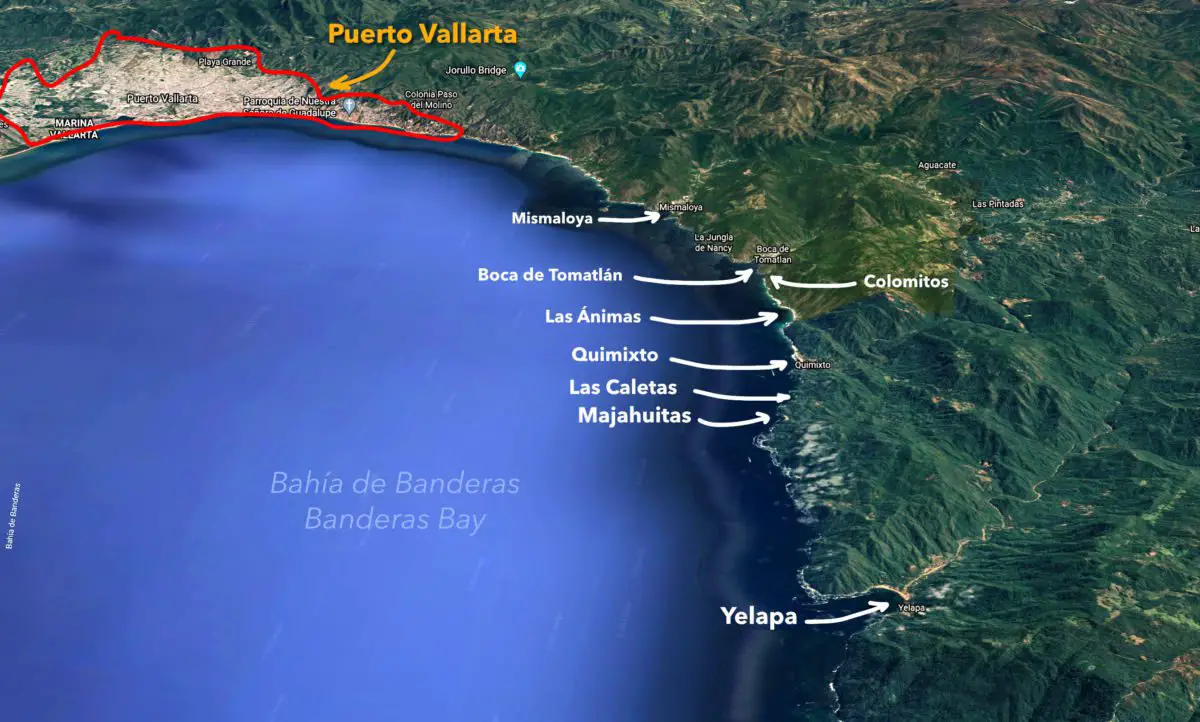
Beaches south of Puerto Vallarta, Mismaloya, Boca de Tomatlan, Colomitos, Las Caletas, Las Animas, Quimixto, Majahuitas & Yelapa
Las Caletas is a beautiful 3/4 of a mile long beach broken up into 4 smaller beaches and currently includes a natural reserve with over 1000 hectares of jungle.
Visitors must arrive on boats owned by the company, they disembark onto the pier located on the west end of the cove.
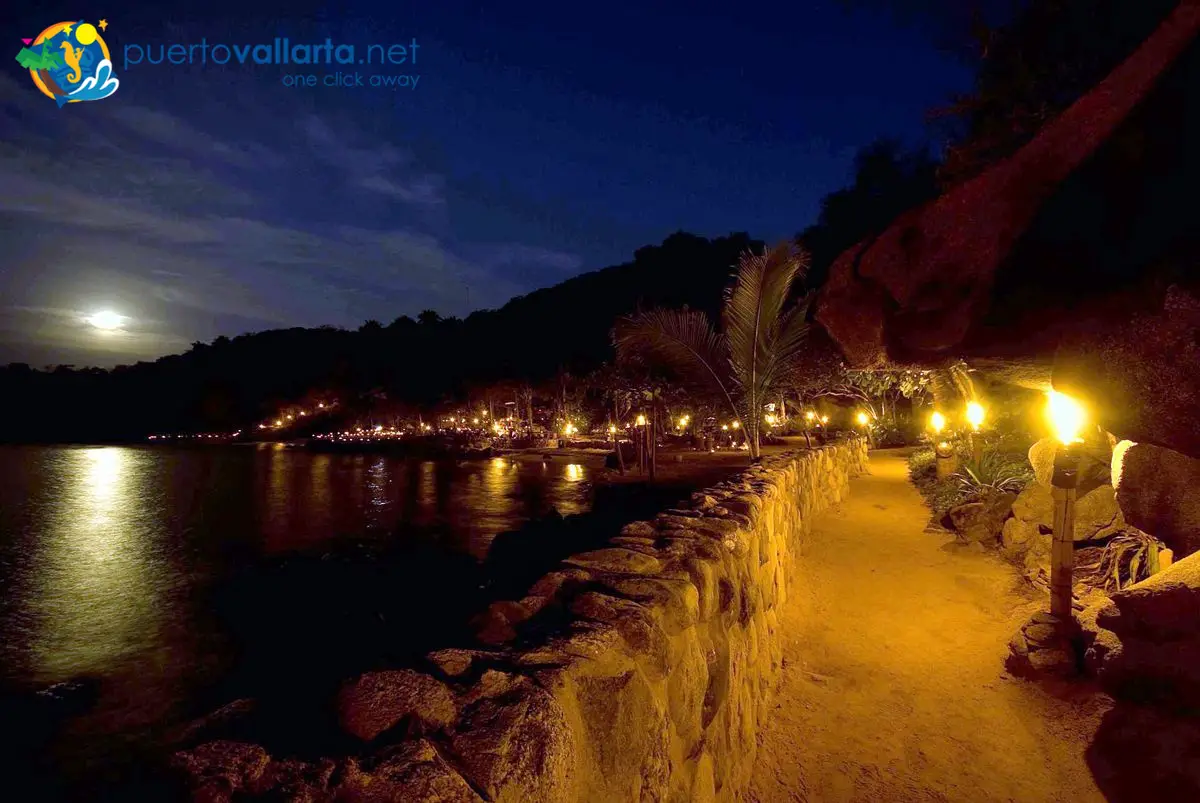
Las Caletas by night, modern photo
There is a spa, trails, dining areas, and an amphitheater in the forest for nighttime shows with the Rhythms tour.
The tour operator has leased the land from the local Chacala Indians for 25 years, just as John Huston did before them, meaning they do not actually own the land nor the buildings established on it.
how did this beautiful beach and area become so interesting?
First off it was John Huston that lived in Las Caletas for many years and enjoyed his tropical home, the primitive conditions, the calm, nature, the sea, and the isolation. Secondly, the area IS incredible, isolated, beautiful, an example of what the idea of the Garden of Eden could be.
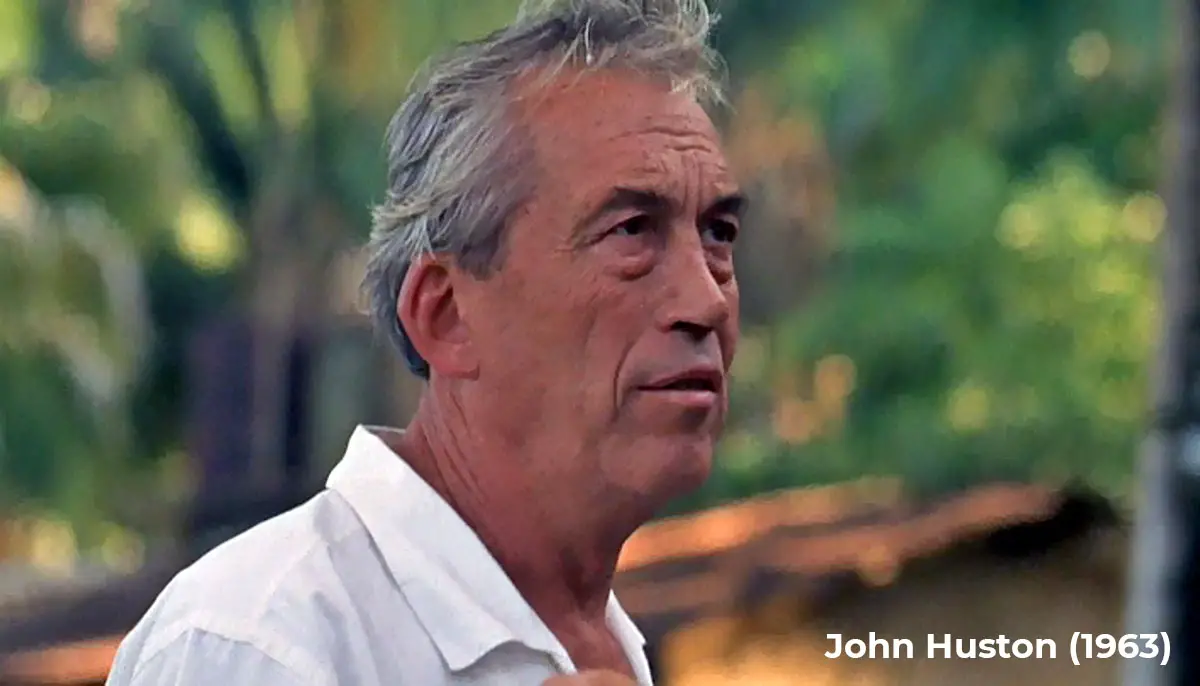
John Huston 1963, The Night of the Iguana Set
… and how did John Huston end up in Las Caletas?
I think we could “blame” Guillermo Wulff, a Mexican engineer and local entrepreneur who met John Huston in Los Angeles when the director was searching locations for a new movie that would take place in Mexico. Wulff upon hearing what he was looking for, suggested Mismaloya, a beach south of Puerto Vallarta, as the ideal place for his “The Night of the Iguana” movie project.
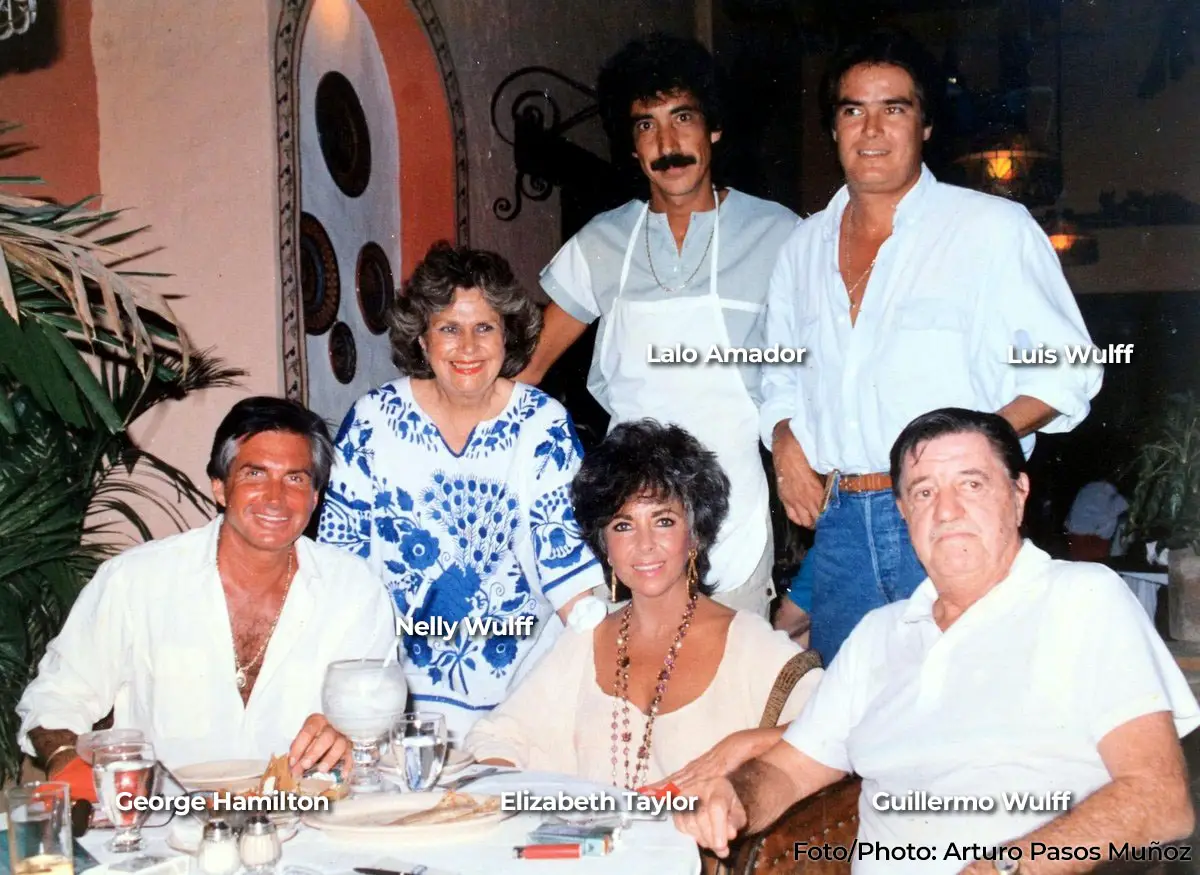
Elizabeth Taylor, George Hamilton, Nelly Wulff, Luis I. Wulff & Lalo Amador – Photo by Arturo Pasos Muñoz
Huston talked it over with the producer, Ray Stark, who was the producer and had offered him the project. They decided to visit the place. It received their approval and they brought all the pieces together to film it there in Mismaloya, a few beaches to the east of Las Caletas.
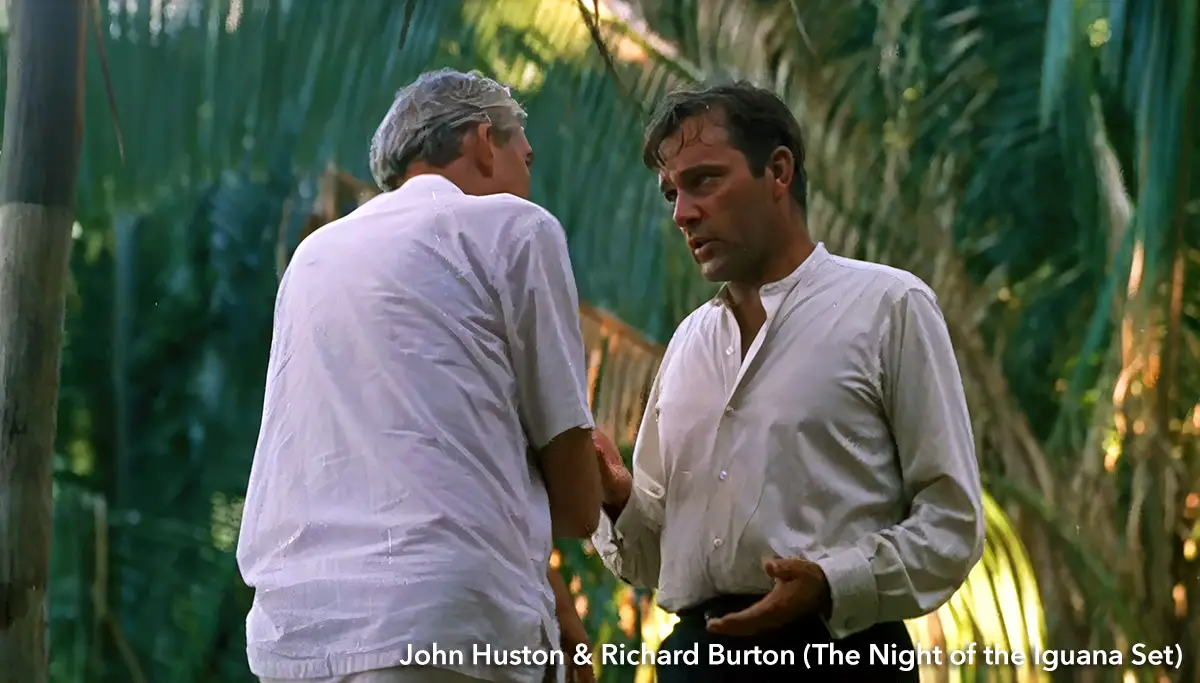
Director John Huston and Actor Richard Burton talking on the set of The Night of the Iguana in Puerto Vallarta
Actors included Richard Burton and Ava Gardner, Elizabeth Taylor, who was having an affair with Burton did not want to leave him alone with Ava, so she tagged along and came down to Puerto Vallarta too. They initially rented what was considered one of the loveliest houses in the town, “La Kimberley” as it was known, (where John Huston was living initially), from Mr. Wilson and took a speedboat to the set at Mismaloya each day. Along with them came a mob of tabloid press correspondents.
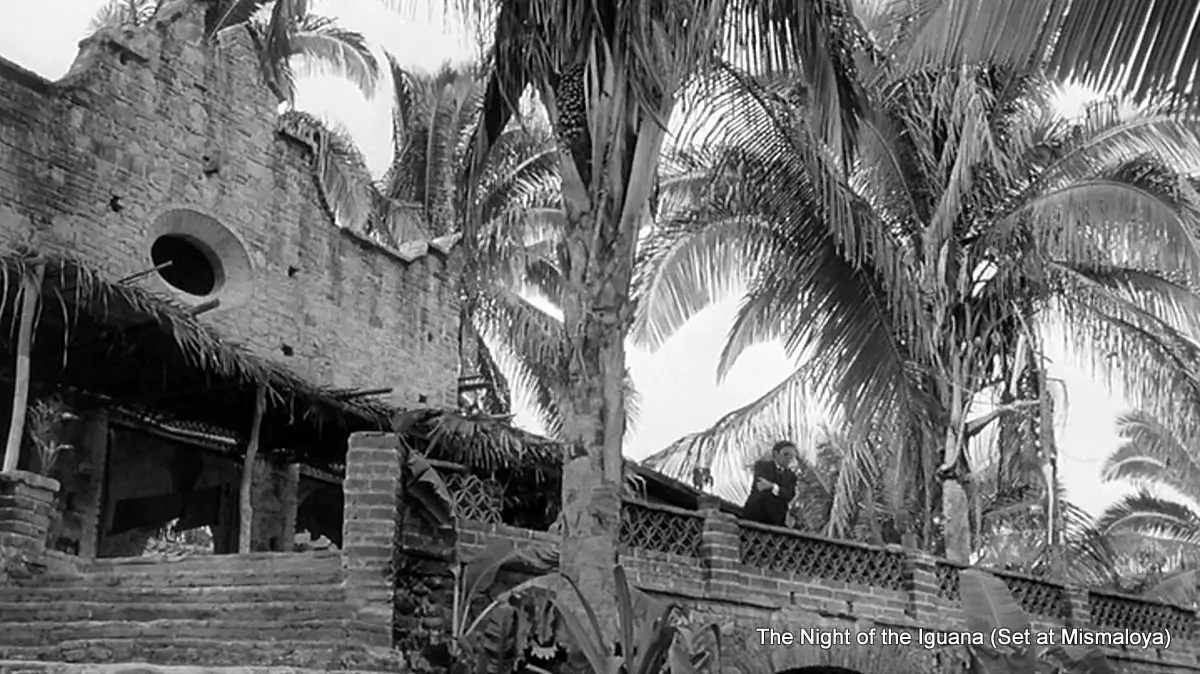
The Night of the Iguana Set in Mismaloya
At the time of the filming of The Night Of the Iguana Elizabeth Taylor and Richard Burton were just starting off their torrid extramarital and paparazzi-riddled affair, though John Huston stated in his book, “there were more reporters on the site than iguanas…”
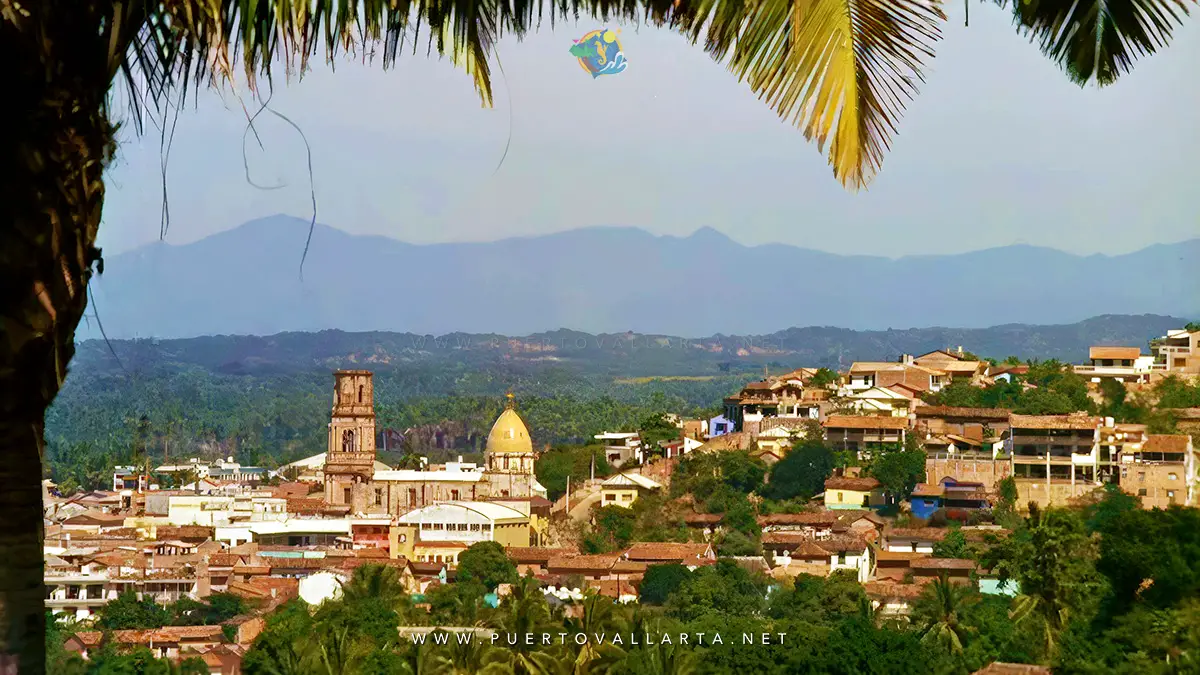
Downtown Puerto Vallarta in 1963
Everything went “smooth as silk” stated the famous director. The press, without much to write about, turned their attention to Puerto Vallarta for their inspiration, and this, as Huston expressed, “was the beginning of its popularity, which was a mixed blessing.”
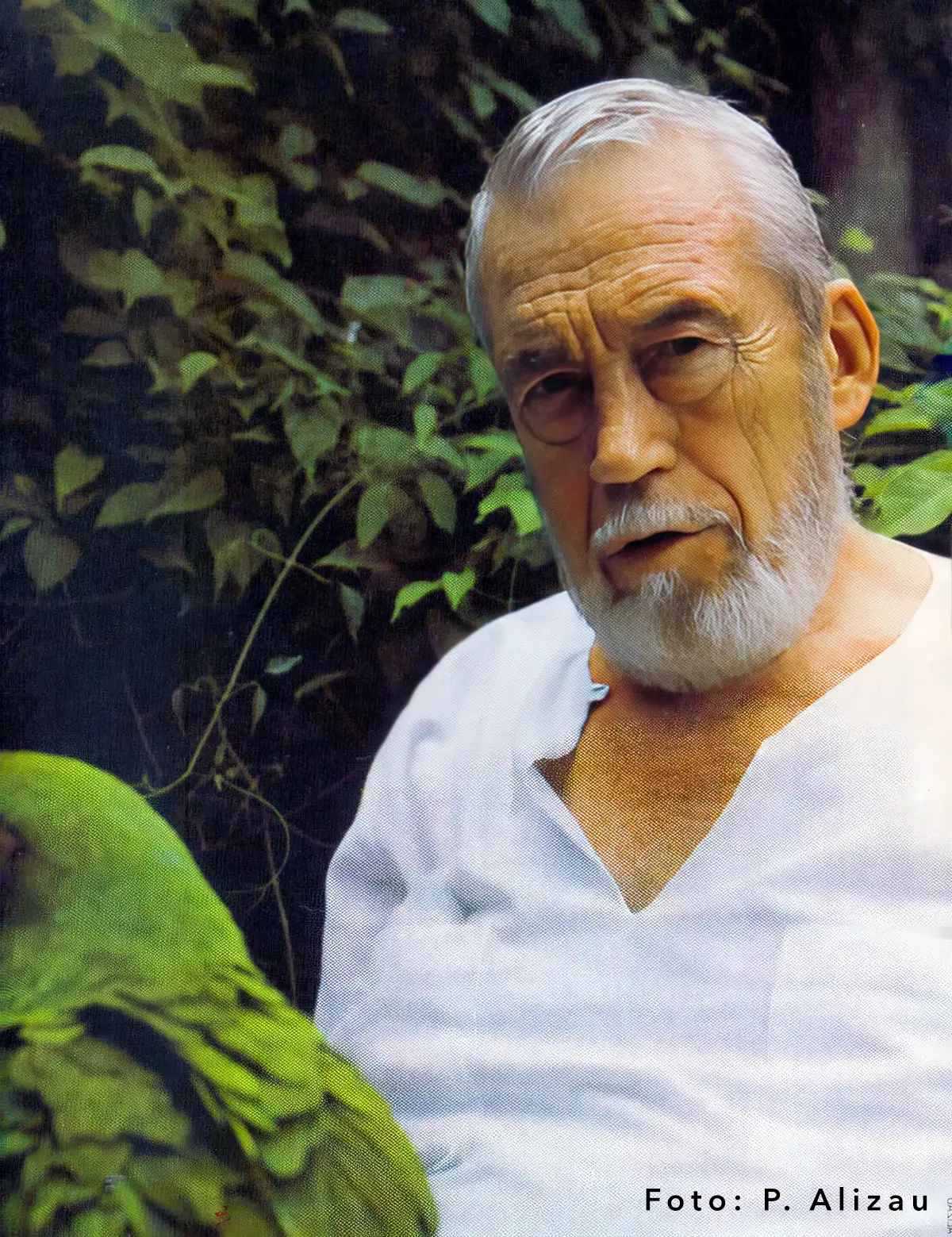
John Huston at Las Caletas 1980

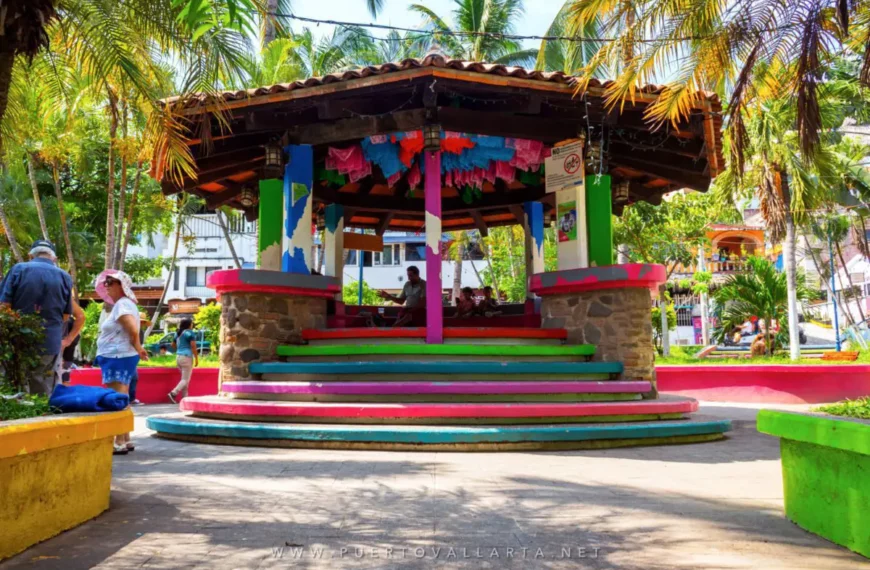

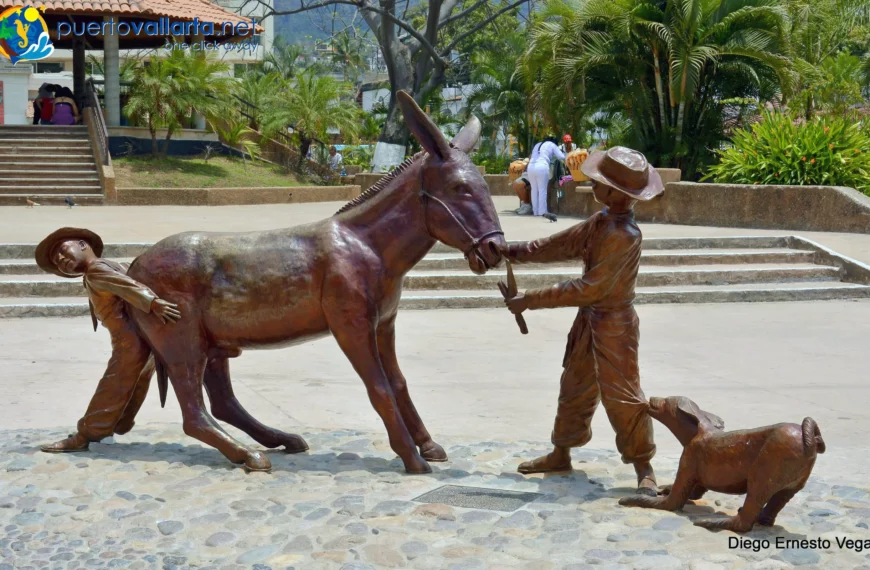
The “mixed blessing” refers, of course, to the tourism boom world attention had brought to the town, also to the reporters, fans, things that Huston was not very fond of, he enjoyed his privacy, he liked being far away from it all. Now, with all this attention, the town where he had initially bought a villa, in the mid-’70s was no longer very attractive.
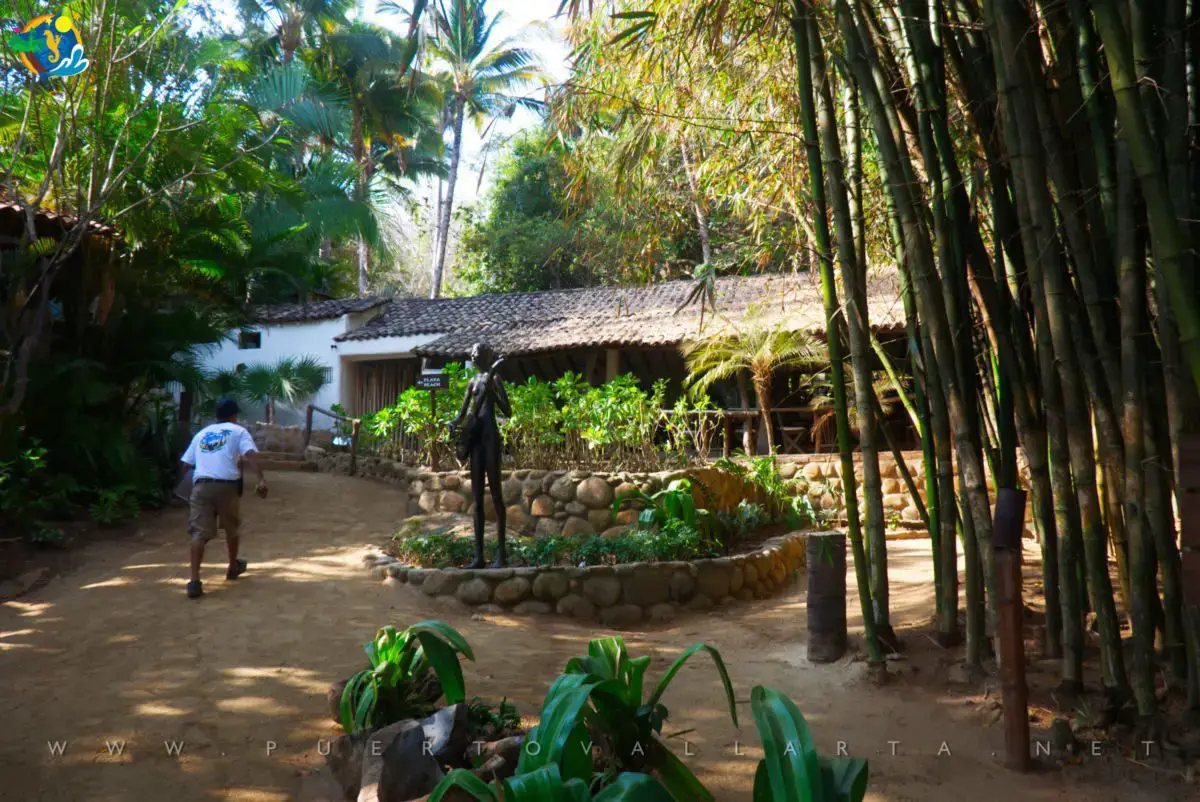
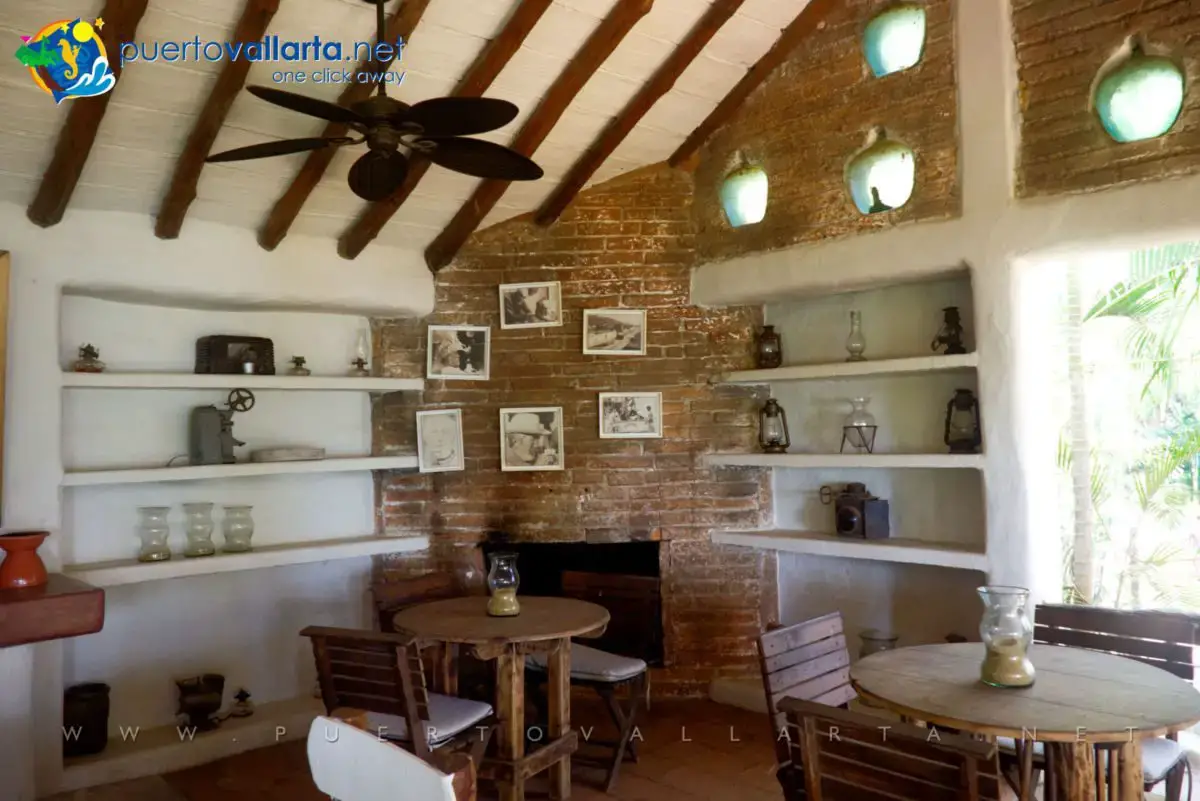
John Huston’s Home and Hall (June 2018)
In 1976 John Huston decided to install himself a few beaches down the coast from Mismaloya, in Las Caletas, within the Chacala Indian community. This beach is only accessible by sea, just like Mismaloya in the early 1960s, located south of a small fisherman town called Boca de Tomatlan, he leased the land from the Indians for ten years, with an option for 10 more, and after that period the land, including anything he built would be returned to the Indian community.
Las Caletas, Jalisco, Mexico
He stated that living there was like living out in the open, at night all kinds of creatures such as badgers, deer, ocelots, boa constrictors, jaguars, etc. would come round to inspect their domain. Beautiful and unique sunrises and unforgettable sunsets, a huge variety of marine life blessed John Huston’s Las Caletas jungle home.
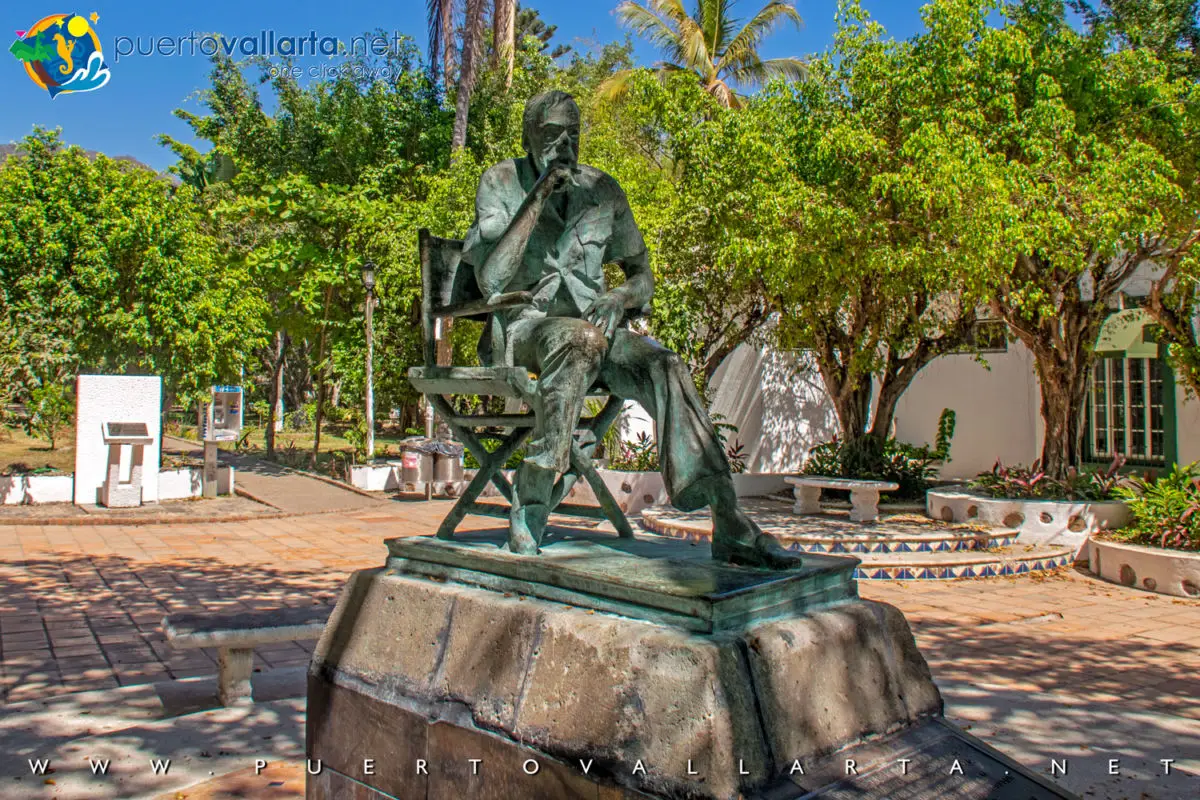
Las Caletas (Cuale River Island)
When you read Huston’s words, it is very clear he felt inspired, happy and in peace, while living in this unspoiled little paradise he carved out for himself on the edge of the Jalisco coast.
Not only did he enjoy the weather, nature, and the surroundings, but he enjoyed stating that he was actually following some old Irish advice that says that it is a good idea for older men, to live close to the sea, as it: “stops old wounds from hurting. It revives the spirit. It quickens the mind and body, yet lends tranquillity to the soul.”
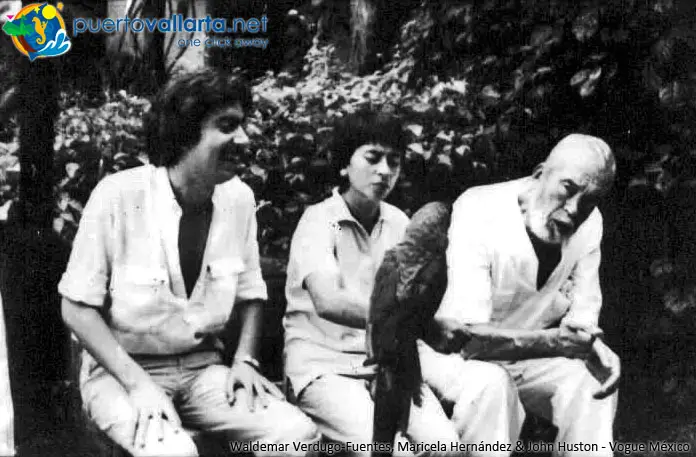
John Huston, Maricela Hernández and Waldemar Verdugo Fuentes
His daughter, Anjelica Huston, said, “He found great happiness there in his last years … in the jungle, beside the sea, lit by the stars.”
In short, his time in Las Caletas was surely a beautiful time in his life and home, second to none, during his older years, which he always carried close to his heart and, not surprisingly, still today Las Caletas is considered one of the most beautiful places in the world.
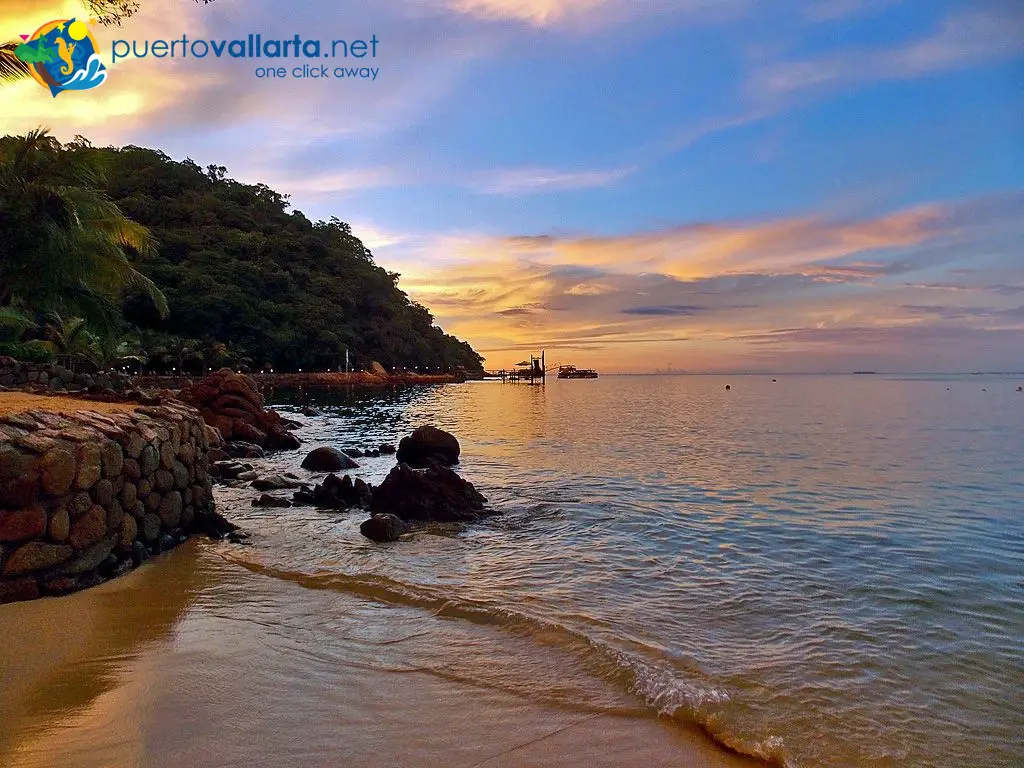
Las Caletas at dusk
For the better part of the last five years I have been living in Puerto Vallarta, Jalisco, Mexico. When I first came here, almost thirty years ago, Vallarta was a fishing village of some two thousand souls. There was only one road to the outside world – and it was impassable during the rainy season. I arrived on a small plane, and we had to buzz the cattle off a field outside town before setting down.
Over the years I came back to Vallarta a number of times. One of those times was in 1963 to film “The Night of the Iguana”. It was because of this picture that the world first heard of the place. Visitors and tourists flocked in.
I am now living in Las Caletas, where I’ve leased one and a half acres from the Chacala Indian Community, the Mexican government has granted these Indians a long stretch of coast and a large interior region. To get to where I live you drive about fifteen miles south of Puerto Vallarta to a small fishing village called Boca de Tomatlan, where the highway leaves the sea and turns inland over the mountains. From Boca you take a panga (an open fiberglass boat with an outboard motor) south some thirty minutes to Las Caletas.
I have my place on a ten-year lease, with an option for another ten. After that, the land and whatever I’ve built on it go back to the Indians. Las Caletas is my third home. There are no roads to it, and it’s unlikely there will ever be – the nearest village is about half an hour away by jungle trail. Las Caletas faces the sea and its back to the jungle, for this reason one thinks of it as an island.
Life here is lived in the open. At night wild creatures come down to inspect the changes I’ve made in their domain: coatimundis, opossums, deer, boars, ocelots, boas, jaguars. We find their spoor or trails in the mornings. Flocks of frenetic parrots come winging in at first light, full of talk. They climb, dive, wheel as one bird, alight in the treetops, all talking. They take off, do another quick turn or two and disappear – talking.
After sunrise the jungle quiets down, but there is always something going on at sea. Pelicans in tandem, skimming the waves – gulls and other seabirds, diving when the surface of the bay seethes and boils with sardines or schools of other small fish. There’s a manta ray who performs regularly about fifty yards offshore. He always jumps twice. The first time is to get your attention. Then he throws all three thousand pounds of himself so high out of the water that you can see the freckles on his white underbelly Gray, humpback and killer whales and porpoises ply the offshore waters. We’re trying to keep a record on the grays because this is the farthest south they’ve ever been seen.
The winters are sparkling clear. There is almost no rain for nine months. By spring the jungle greens have faded to olive drab. In late June the clouds begin to gather. They thicken and lower until they’re halfway down the mountainsides. The atmosphere gets heavier and heavier. Then one day the heavens open and the torrential rains beat down. Instantly there are explosions of color throughout the jungle: orchids, birds or paradise, all manner of bromeliads. And every night there’s an electricity display out at sea, lighting up the horizon like a great artillery duel between worlds.
Now that I’m of a certain age, I’m following a piece of old Irish advice in going to live by the sea: ‘It stops old wounds from hurting. It revives the spirit. It quickens the passions of mind and body, yet lends tranquility to the soul.’
John Huston, Las Caletas, Cabo Corrientes, Jalisco (1981)
References
- An Open Book. 1980. John Huston.
- Furious Love. 2010. Sam Kashner & Nancy Schoenberger.
- Huston’s Gamble: Youtube Video, recently removed (they mention it was filmed in Baja California, which of course is wrong).
- John Huston. Wikipedia http://en.wikipedia.org/wiki/John_Huston
- John Huston Interview. 1981. Waldemar Verdugo Fuentes. Vogue.
- Puerto Vallarta and mis recuerdos. 1982, Catalina Montes de Oca de Contreras.
- The Night of the Iguana Behind the scenes, two videos on Youtube recently removed.
- The Night of the Iguana. 1964. Metro-Goldwyn-Mayor.
- The Night of the Iguana. Wikipedia. http://en.wikipedia.org/wiki/The_Night_Of_The_Iguana
- Vallarta Adventures. Las Caletas. http://www.vallarta-adventures.com
- Vallarta Opina. http://www.vallartaopina.net
FAQ

Book tours & support us
- Best prices
- 100% Local Support
- 2 decades+ of experience in Puerto Vallarta
Puerto Vallarta news, tips & content
- New info every two weeks
- Free content, news, videos
- Unsubscribe at any time
Contact us via WhatsApp
- Talk with our reservations expert
- Real local and human support
- Book tours, hotels, transfers, and more.
Share this article, choose your favorite option!