Mexican Currency
Quick Facts
- The currency in Puerto Vallarta, as well as the rest of Mexico, is the Mexican peso.
- U.S. dollar bills are widely accepted in tourist-oriented shops and restaurants in Puerto Vallarta.
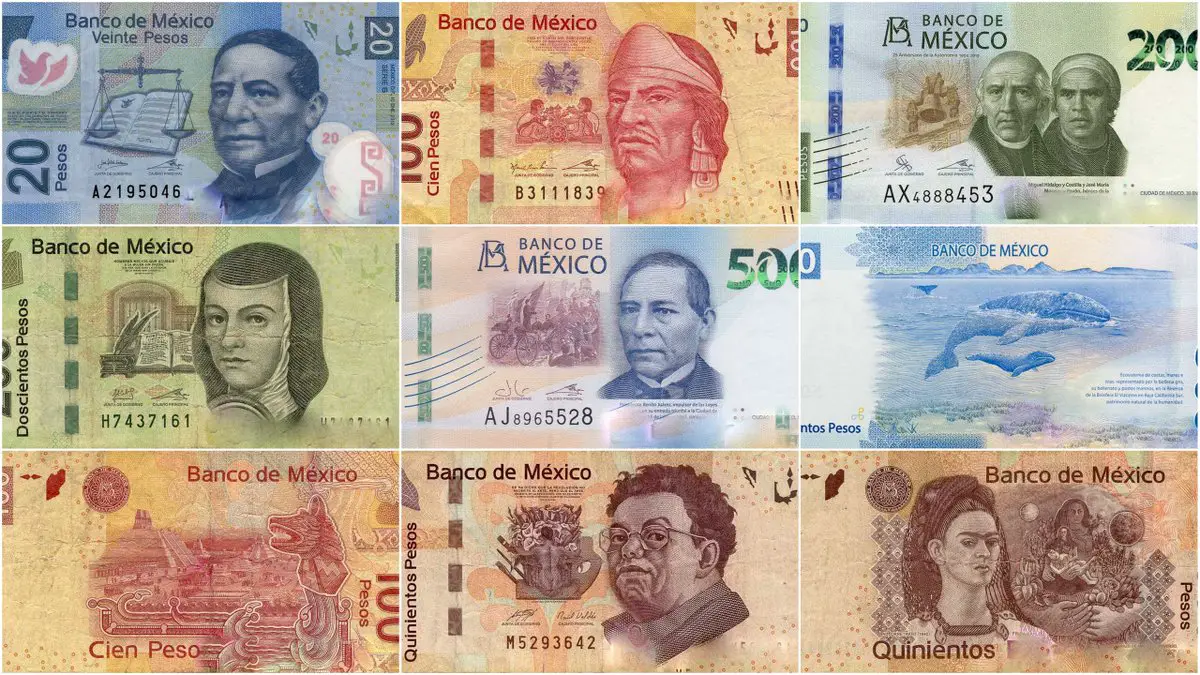
- Mexican currency comes in denominations of 20-, 50-, 100-, 200-, 500-, and 1,000-peso bills, and coins come in denominations of 1, 2, 5, 10, and 20 pesos and 20 and 50 cents.
The peso is the national currency and is the official payment method in Puerto Vallarta, U.S. dollars are accepted in most important businesses in the city as long as purchases are not too big (under 100 dollars), you’ll receive any difference in pesos at the rate the business has established (normally on a sign, if not, ask).
Major credit cards are also accepted in most establishments, these are mainly Mastercard, and Visa, some accept American Express, Diners, and others.
Universal ATMs are widely available for cash withdrawals at the current exchange rate. Visitors can access ATMs in several systems such as VISA, MC, Cirrus, and PLUS. Most ATMs have menus in English. The ATMs only dispense currency in pesos.
Current Mexican bills
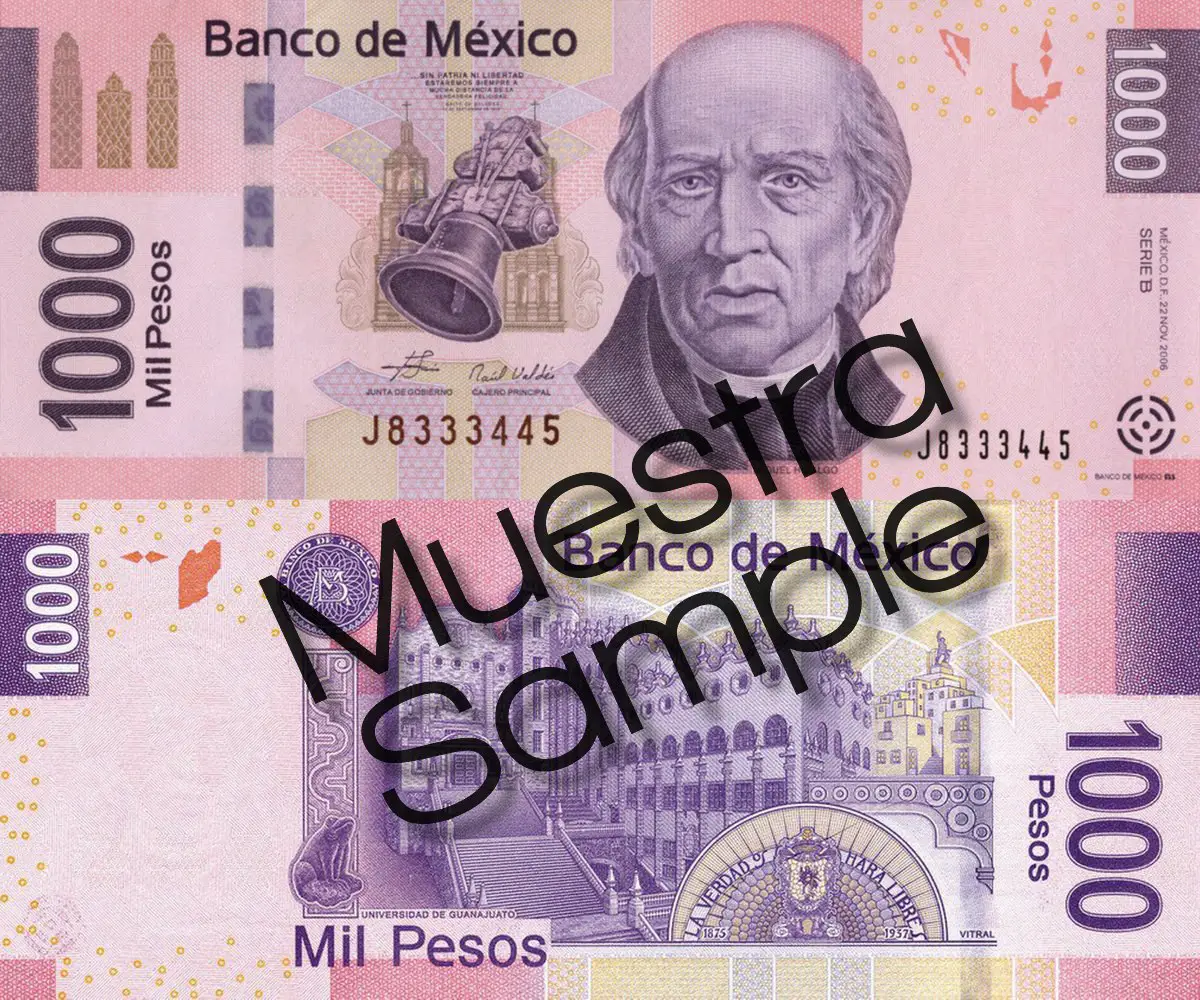
1000 peso bill
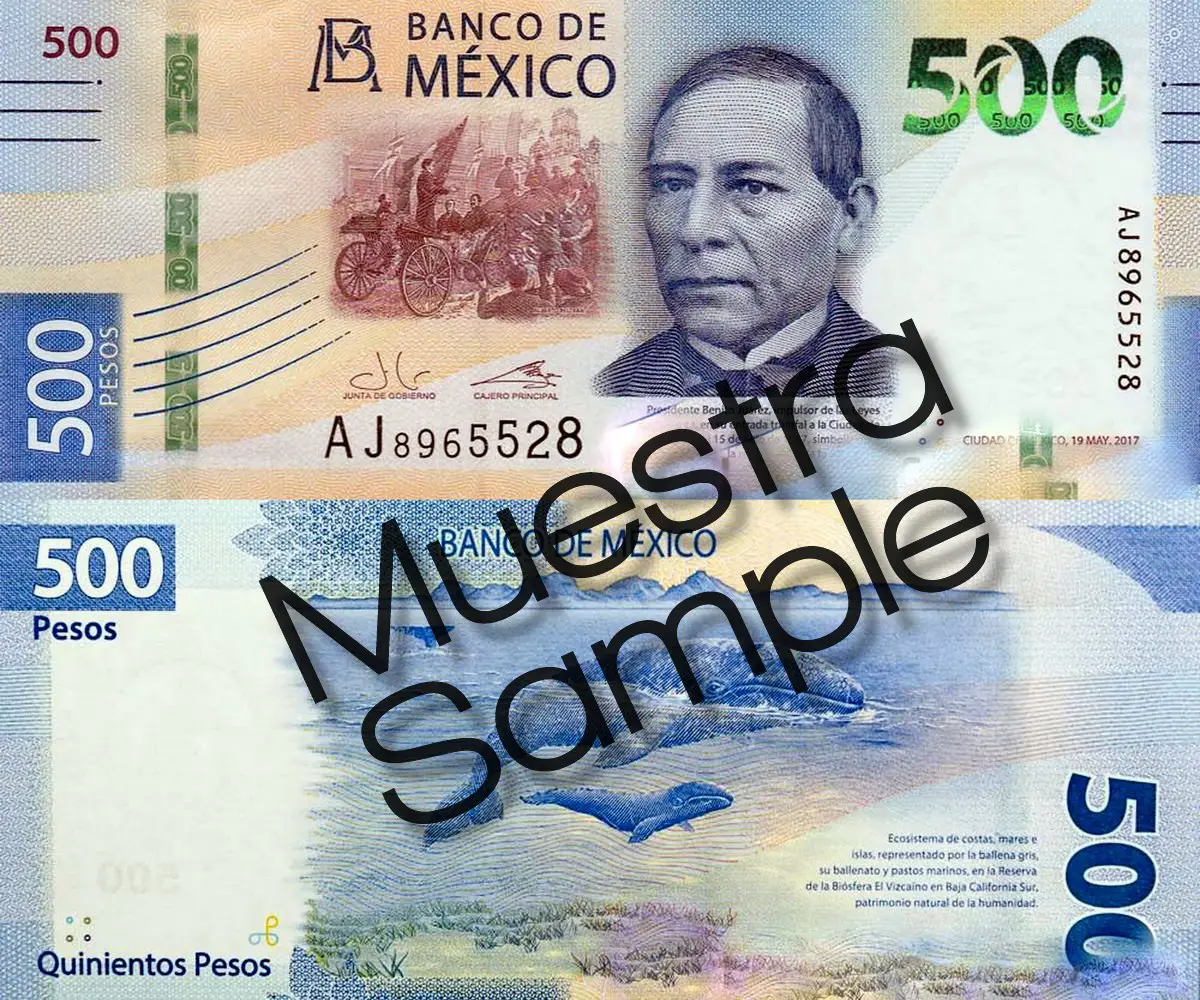
New 500 peso bill (from 2018 on)
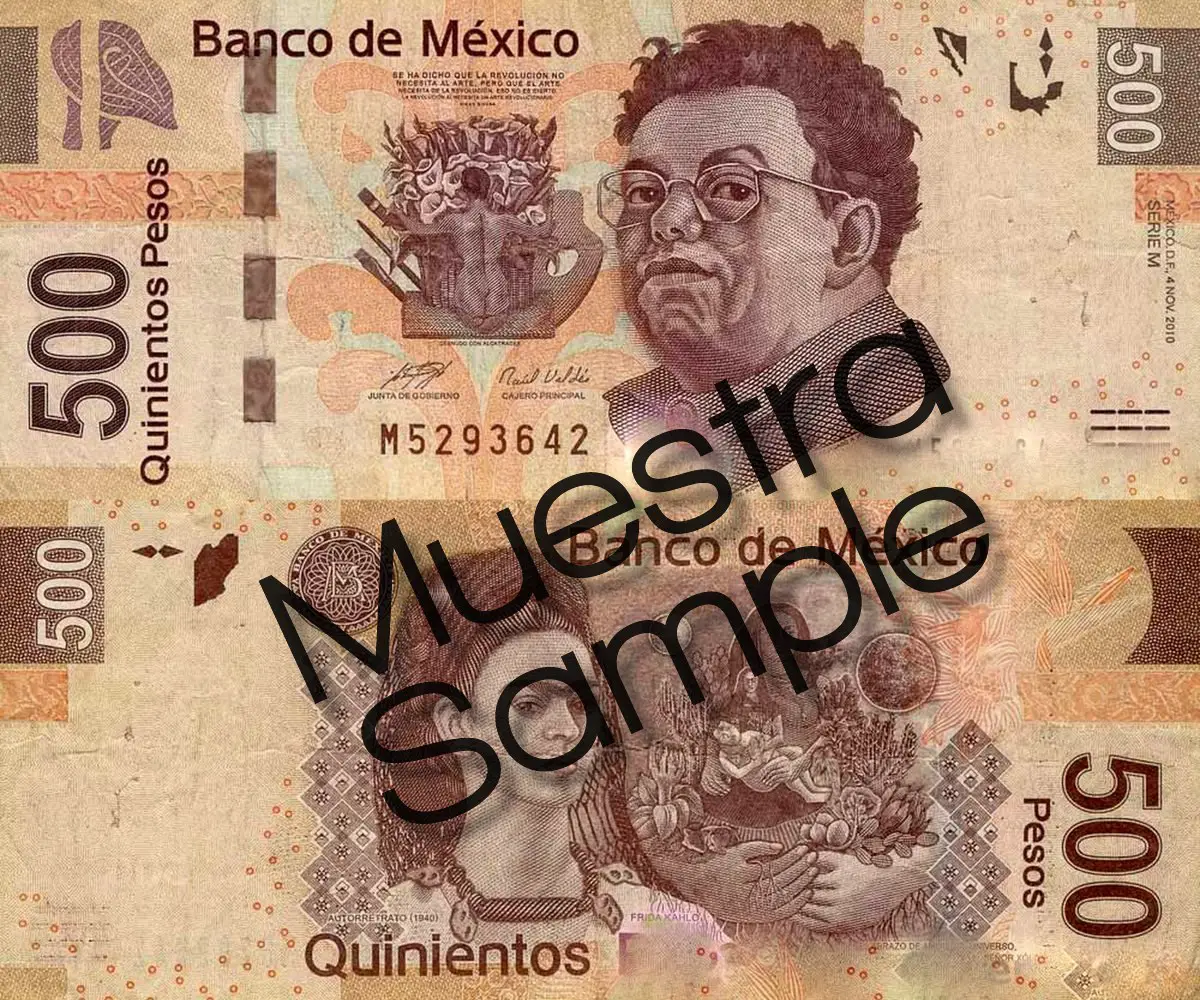
500 peso bill
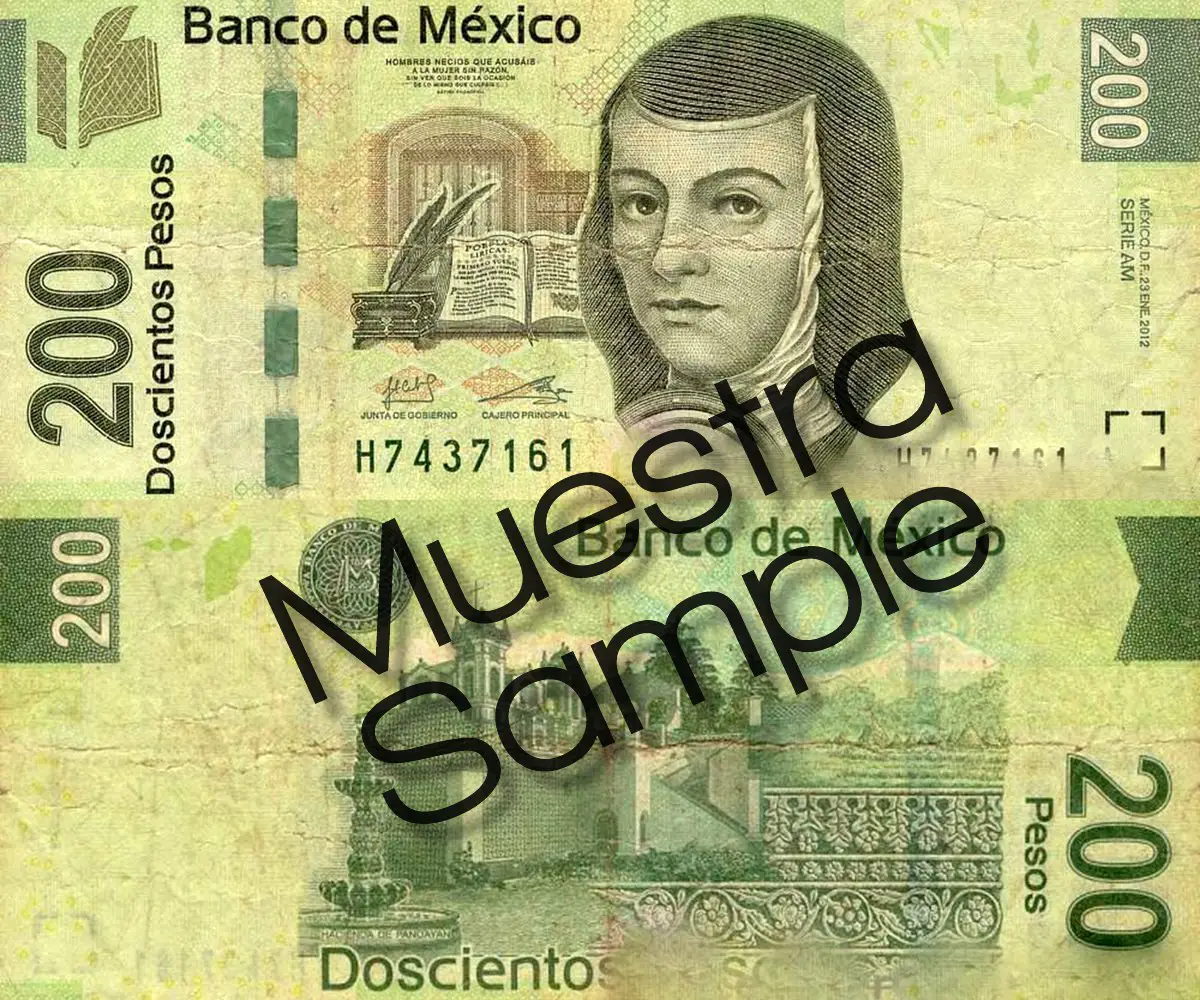
200 peso bill
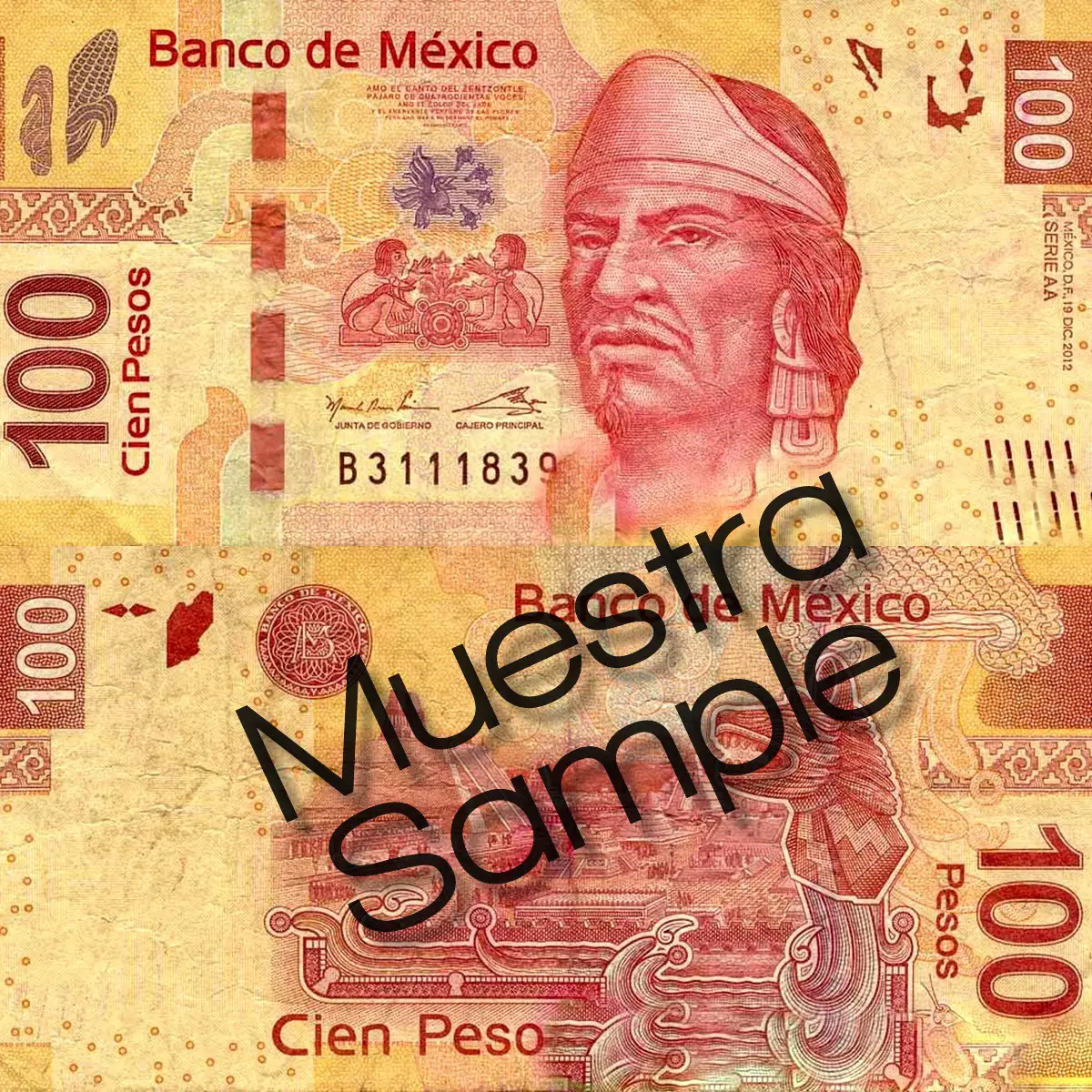
100 peso bill
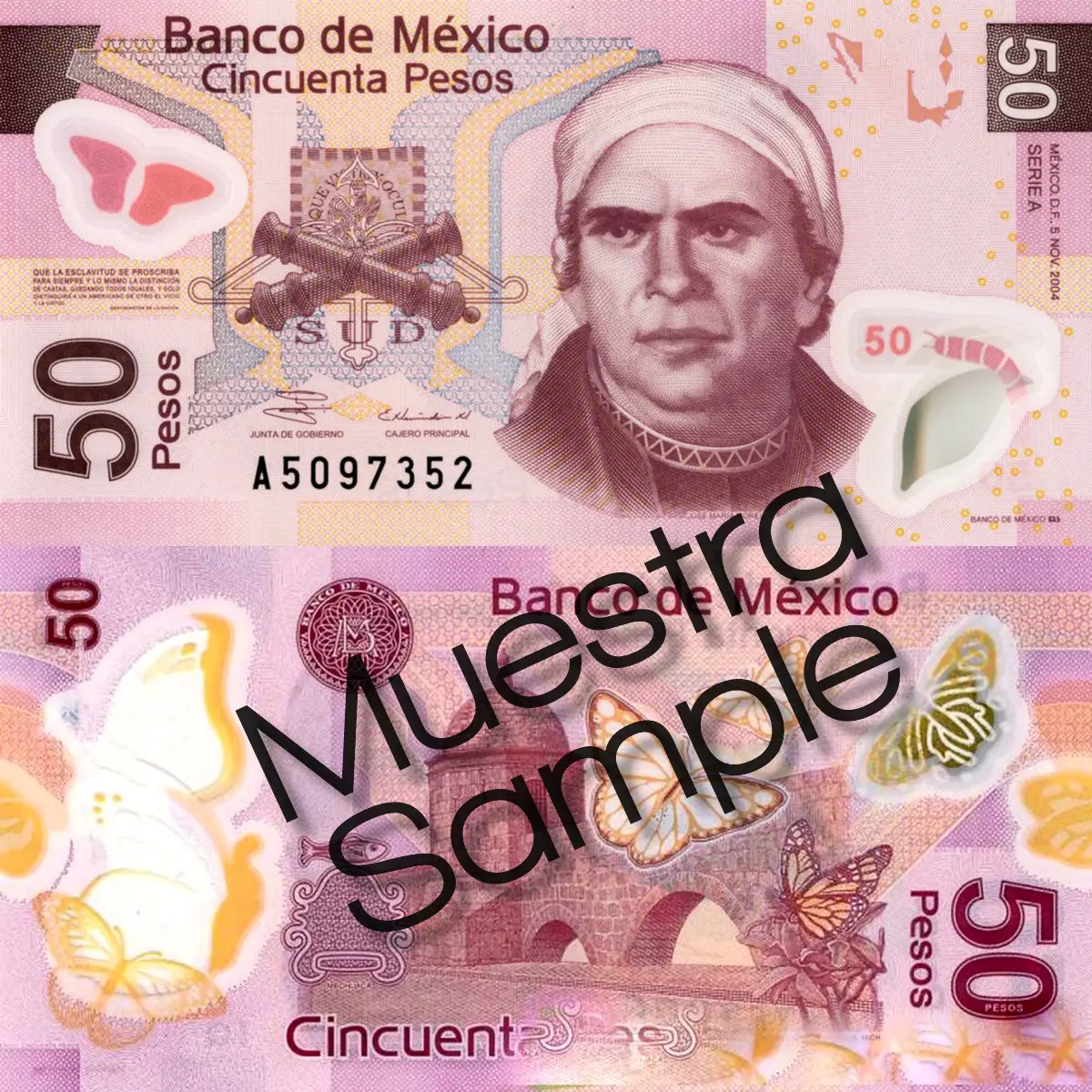
50 peso bill
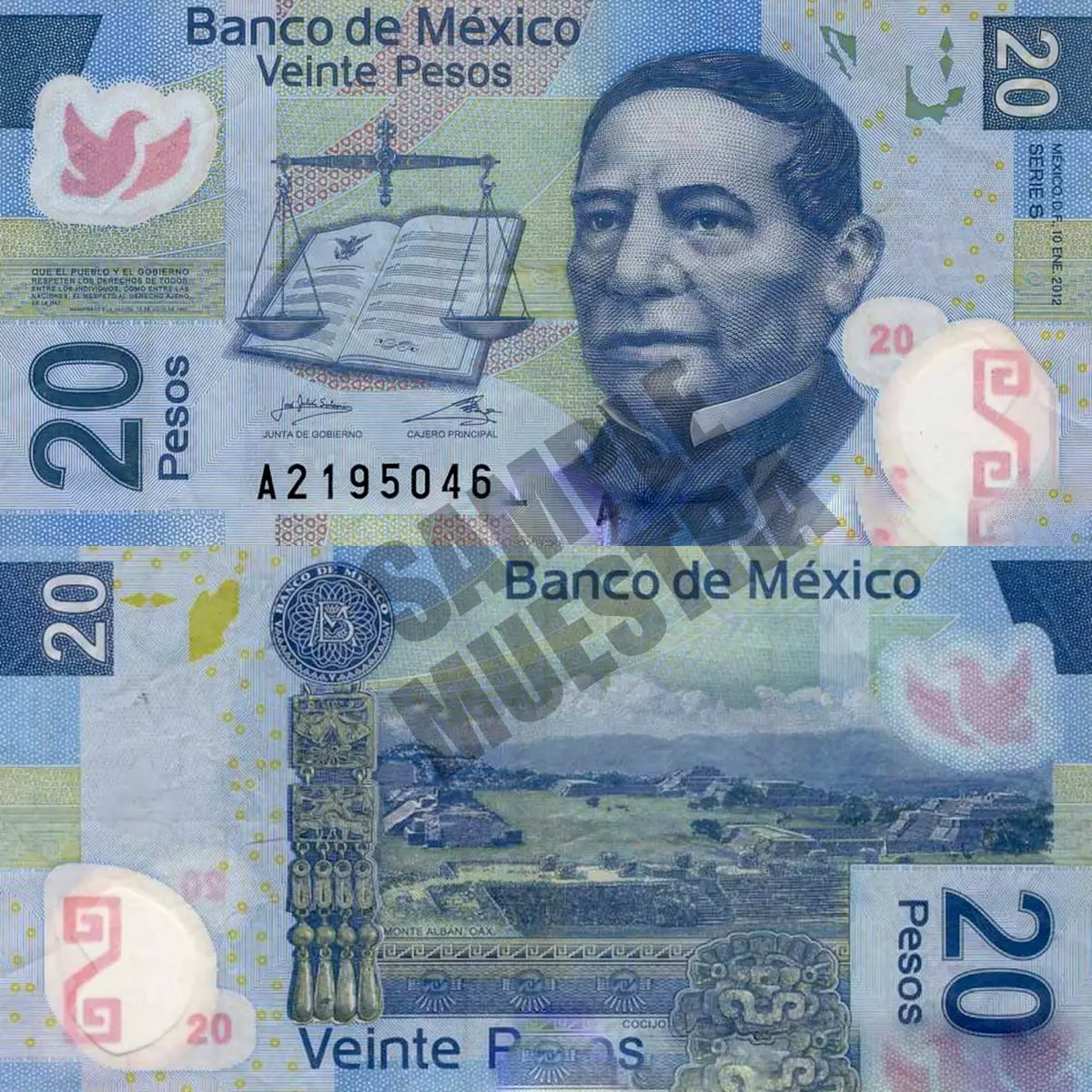
20 peso bill
Notice:
The 1000 peso bill is the highest denomination. Coins are not shown in the right proportion. Review the official notes in circulation here
Current Mexican coins
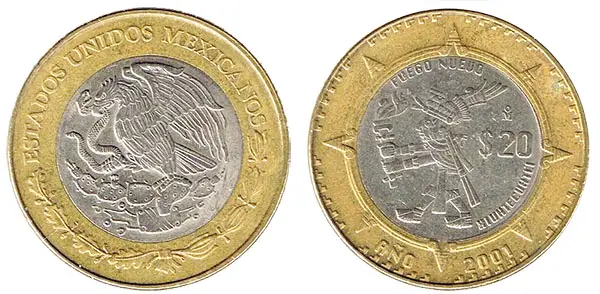
20 peso coin
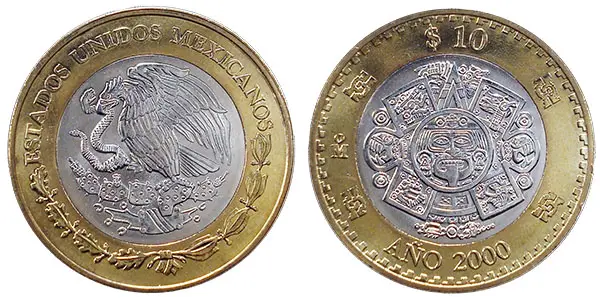
10 peso coin
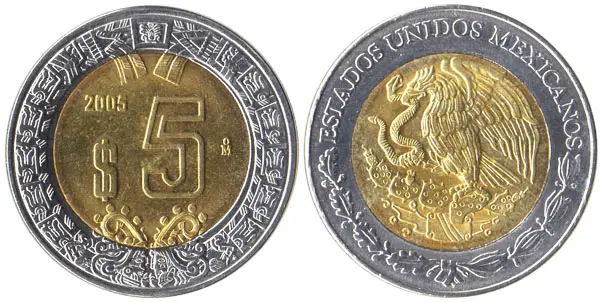
5 peso coin
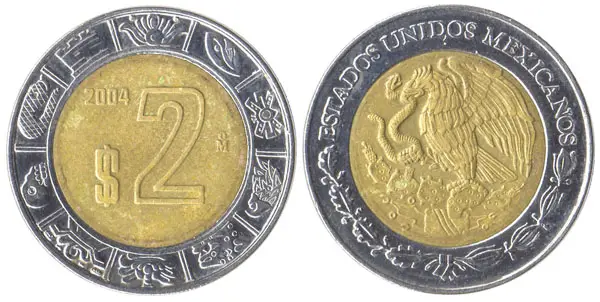
2 peso coin
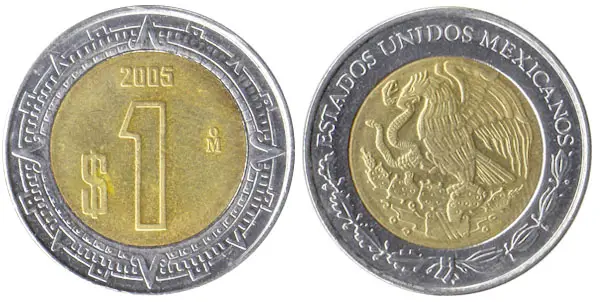
1 peso coin
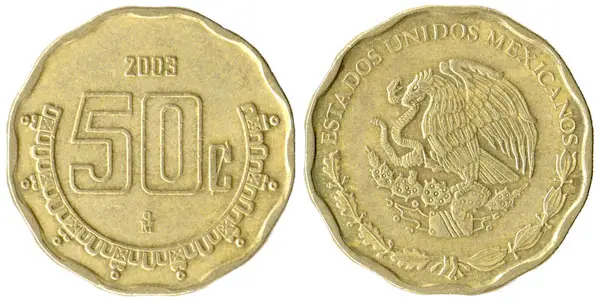
50 cent coin
Notice:
These are the official coins (20, 10, and 5 cent coins not included, they’ll be out of circulation soon) and bills.
Money Exchange and Exchange Rates
How exchange rates work for visitors
The rate you see on Google or in a currency app is the mid-market rate, the one banks use between themselves. You won’t get exactly that rate anywhere in town. Every ATM, exchange booth (casa de cambio) and hotel keeps a margin, so the real question is how much less you get, not whether you get less.
Exchange booths post two rates: Compra, what they pay when they buy your dollars, and Venta, what they charge when they sell you dollars. When you hand over dollars, Compra is the number that matters. The closer the two numbers are, the better the deal, so it’s worth comparing two or three booths before you change a big amount.
When an ATM or a card machine asks whether you want to be charged in your home currency or in pesos, choose pesos. The home-currency option uses the machine’s own rate, which is usually worse than your bank’s. Your bank may also add a foreign transaction or ATM fee, so check with them before you travel.
Paying in dollars works in many tourist spots, but then the shop sets the rate, and it’s rarely in your favor. Pesos usually come out cheaper.
For today’s reference rate, check a currency converter or the Banco de México website before you go. Treat it as a guide, not the rate you’ll get at the counter.
ATMs have become the preferred choice for money exchange when traveling and are the most common method now. The rates you get are better than money exchange booths, traveller’s checks, and banks. Read more on ATMs, fees and where they are.
You can change money at a convenient “Casa de Cambio” (Money Exchange). These are money exchangers that are open long hours and provide quick service. Expect a slightly lower rate for traveller’s checks.
Historical note (2010): in June 2010, Mexico’s Finance Ministry (SHCP) announced limits on how many US dollars in cash banks may buy. For foreign visitors without an account at the bank, the limit was US$1,500 a month. It applied to cash only, not to card payments (SHCP announcement, in Spanish). Bank rules and policies can change, so if you plan to change cash dollars at a bank, bring your passport and ask first.
Although dollars are widely accepted in resort areas, we recommend using pesos during your stay. Hotels can also exchange dollars, but these normally give you low rates, use them as your last resort (pun not intended).
Most Mexican banks have stopped exchanging dollars to pesos unless you have an account with them, rendering them useless for travelers. If you do find one that exchanges dollars bring your passport along, there are also limits to how much you can cash, $300/day and $1500/month is the norm.
There’s usually no commission added on exchanges, but do ask beforehand to avoid any surprises. In any case, they adjust rates to give them a commission anyway, all financial institutions never waste an opportunity to fleece us.
For the current exchange rate (reference only) use the following link:
Banco de México official exchange rate (FIX)
So as a summary:
- Exchange a small amount of your local currency to Mexican pesos before you take off. Consider having enough pesos for a few expenses upon arrival, such as tips, a taxi, a drink, or a small meal before you arrive at your lodging, etc.
- Avoid exchange rate hassles paying with a credit card whenever available.
- Have a credit card or debit card with enough funds for ATM cash withdrawals.
- Another useful tip is to inform your bank that you will travel to Mexico, so they know you’ll be charging your card from abroad, this way they won’t block transactions.
FAQ
Frequently asked questions
US dollars are widely accepted in tourist areas, but you’ll usually get a better deal paying in pesos. Pesos are essential for taxis, buses, street food and small shops. Credit cards work at most hotels and restaurants.
In restaurants, 10 to 15 percent is customary, more for great service. Tip hotel staff, tour guides and boat crews a little, and bag packers at supermarkets a few pesos. Taxi drivers usually aren’t tipped unless they help with bags.

Book tours & support us
- Best prices
- 100% Local Support
- 2 decades+ of experience in Puerto Vallarta
Puerto Vallarta news, tips & content
- New info every two weeks
- Free content, news, videos
- Unsubscribe at any time
Contact us via WhatsApp
- Talk with our reservations expert
- Real local and human support
- Book tours, hotels, transfers, and more.
Share this article, choose your favorite option!