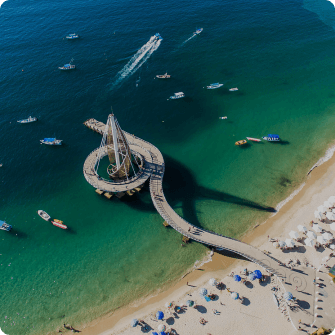
Guadalajara, Jalisco, Mexico


Introduction
A beautiful video about Jalisco
Jalisco is one of the 31 states that together with the Federal District (Distrito Federal or DF), comprise the 32 states of The United States of Mexico.
It is also one of the most important states in the Mexican Republic, both due to the richness and fertility of the land as well as its historical significance. The state is also the 4th most populated states and is one of the most important in economic significance, commerce and also culture.
Jalisco Details
- Demonym: Jalisciense
- Capital: Guadalajara
- Latitude: 20° 41′ N
- Longitude: 103° 21′ O
- Area: 78,599 km2 (30347 square miles)
- Average height: 1,540m o.s.l.
More Details
- Weather: Most of the state has a temperate climate, humid summers which are tropical.
- Population 2010: 7.350.682 inhabitants.
- Political layout: 125 Municipalities
- Regions: 12
- Coasts: 341,93 km (210 miles)
Location
It is found on the western coast of Mexico, borders with Nayarit to the NW, Aguascalientes, and Zacatecas to the N; to the NE with the state of Durango; Guanajuato and San Luis Potosí to the E and Colima and Michoacán to the South. The western coast is comprised of more than 200 miles of Pacific Ocean.
What is Jalisco Known For?

Blue agave harvest in Tequila, Mexico
When you say “Jalisco” you should think of “tequila” and the blue agave, you should think of “charreria & charros”, mariachi music should come to mind too (the Mexican Hat dance come to mind too), traditions and selling points for Mexico all over the world, they are all from this state and represent the ethos & pride of this magnificent country. That’s why it’s safe to say thet Jalisco IS Mexico.
Jalisco is also the state where many famous artists were born, including José Clemente Orozco, Juan Rulfo, Juan José Arreola and hundreds of other artists, it’s also a state with many artisans in clay, wrought iron and blown glass, the land of the Guachimontones (circular pyramids) in Teuchitlan, the wixárikas (huicholes) and their art in chaquira.
Geography
Jalisco is Mexico
The state offers an impressive biodiversity and a variety of geological and geomorphic attractives, you’ll find international tourist destinations like Puerto Vallarta, mountainous areas with volcanoes and snowy peaks (Nevado de Colima 4260 m high and Colima Volcano 3820 m high), semidesertic areas, thick forests, lush jungles and the Lake Chapala, the largest in all of Mexico covering 1100 square km. The main rivers include: Bolaños, Lerma – Santiago, Verde Grande, Coahuayana, Armería and Ameca.
The capital city is Guadalajara, with a metropolitan area that includes the municipalities of Guadalajara, Juanacatlán, El Salto, San Pedro de Tlaquepaque, Tonalá, Tlajomulco de Zúñiga, Ixtlahuacán de los Membrillos and Zapopan, and is the second largest urban area of Mexico after the country’s capital, Mexico City. The largest cities in Jalisco are: Guadalajara Mexico, Zapopan, San Pedro de Tlaquepaque, Tonalá, Tlajomulco de Zuñiga, Puerto Vallarta, Lagos de Moreno, El Salto, Tepatitlan de Morelos, and Ciudad Guzman.
Major cities and Guadalajara are well connected by highways and roads to the rest of the country, among the main ones we can mention Guadalajara – Mazatlan – Nogales (in Baja California); Ciudad Juarez – Zacatecas – Lagos de Moreno – Oaxaca – Tapachula & Guadalajara – Mexico City – Veracruz.The main harbor is Puerto Vallarta that connects the state’s Pacific Coast with Manzanillo and Mazatlán. The two main International airports are located in Guadalajara and Puerto Vallarta with many important air routes that make this state an important airline hub.
History

Charros, the original Mexican and American Cowboys
Jalisco is also very important from in the history of Mexico, it was the starting place for the conquest of the Philippines, was heavily involved in the abolition of slavery and key state in the development of Mexican Federalism. Pre-hispanic history included indigenous people like the nahua groups in the south and hicholes in the northern areas.
Jalisco’s climate is very varied, the morphology of the state and the water masses (lake and ocean) account for this wide variety. You’ll find arid climates to the north and northeast, temperate climate in the high parts of the Sierra Madre, semi warm climate in the central area and around Lake Chapala and warm humid climate along the coastal plain.
The state’s name derives from mixing three Nahuatl words: “xalli”, that means sand, “ixtli”, face or surface and placing the end of “co”, as stated by Luis Cabrera in his Dictionary of Aztecanisms. The name, then, means, “On the surface of sand” or “in the sand dune”.
For many centuries, until around 1836, Jalisco was written “Xalisco”, where the initial “X” was a letter reflecting the phoneme “sh” from his original name in Nahuatl.
Weather
The state of Jalisco in Mexico has a varied climate with 68% being warm and humid, 18 percent being temperate subhumid near the coast, 14 percent dry or semi-dry north and northeast regions. The average annual temperature is approximately 20-21 °C (68%-71 F), but it can range from 16 – 25° C
(61 – 78F). summers are hot while winters tend to be cold because there’s less rainfall than other states at higher altitudes.
On average, the temperature is always high. The coldest month is February with an average maximum temp of 83°F (28 degrees Celsius).
In Jalisco, the average annual total precipitation is around 850 mm per year; however, in coastal areas, it may exceed 1000mm. The warm subhumid climate makes this state perfect for cultivating corn and sugar cane as well as tequila maguey with other crops being grown here too!
More information
FAQ
- What is the safest part of Puerto Vallarta to stay in?
The Marina and the Romantic Zone are considered some of the safest areas to stay in Puerto Vallarta. Both areas are popular among tourists and offer a variety of accommodations, restaurants, and attractions. The Marina is known for its upscale atmosphere, luxury resorts, and high-end shops and restaurants. It has a very secure, controlled environment with 24/7 security personnel. The Romantic Zone offers a more authentic Mexican experience with cobblestone streets, colorful colonial buildings, and a vibrant mix of galleries, cafes, and bars. As a central tourist area, it also has a strong police presence and is considered very safe.
- Where do locals go in Puerto Vallarta?
Locals in Puerto Vallarta enjoy spending time at the city’s beautiful beaches, scenic parks, and lively local markets. Popular beach spots include Playa de Oro, Playa Las Animas, and Playa Camarones for their soft sand and calm waters. Many locals visit the Vallarta Botanical Gardens to enjoy the lush vegetation and hiking trails. They also frequent authentic local food venues like Birrieria las 3 Regiones taco stand, cafes like Cafecito Vallarta, and neighborhood bars like La Cerveceria Union. The downtown Lazaro Cardenas market is a favorite for produce, spices, crafts.
- Is Downtown Puerto Vallarta nice?
Yes, downtown Puerto Vallarta is an exceptionally nice and popular area, celebrated for its vibrant mix of historic Mexican charm and a lively beach town atmosphere. It features a picturesque historic center with cobblestone streets, colorful buildings, and the iconic Parish of Our Lady of Guadalupe church. The downtown seamlessly blends into the scenic Malecón, a beautiful oceanfront boardwalk lined with fascinating sculptures, shops, and restaurants, making it perfect for strolling and enjoying the stunning ocean views.
The area offers an excellent variety of dining, from upscale restaurants to authentic street food, along with fantastic shopping in boutiques and art galleries. Adjacent to the main center is the popular Zona Romántica (Romantic Zone), known for its trendy vibe and energetic nightlife. The entire downtown is considered safe and is very walkable, allowing visitors to easily explore its captivating blend of culture, cuisine, and coastal beauty on foot.
Tip: For an unforgettable experience, head down to the Malecón or any beachfront spot about 30 minutes before the scheduled sundown to watch the spectacular sunset over the bay.
- What is considered old town in Puerto Vallarta?
Old Town, also known as the Romantic Zone or Zona Romántica, is considered the historic heart of Puerto Vallarta. It is characterized by its picturesque cobblestone streets, classic whitewashed buildings, red-tiled roofs, and a lively mix of shops, galleries, restaurants and bars. Nestled between the Sierra Madre mountains and Banderas Bay, Old Town has a traditional Mexican village charm with its colonial architecture and slower pace compared to the rest of Puerto Vallarta. Its romantic ambience comes from the area’s natural beauty, outdoor cafes, and charming boutique hotels. Old Town offers visitors a taste of an authentic Mexican neighborhood.

Book tours & support us
- Best prices
- 100% Local Support
- 2 decades+ of experience in Puerto Vallarta

Puerto Vallarta news, tips & content
- New info every two weeks
- Free content, news, videos
- Unsubscribe at any time

Contact us via WhatsApp
- Talk with our reservations expert
- Real local and human support
- Book tours, hotels, transfers, and more.
Share this article, choose your favorite option!